
Estrategias clave para el swing trading efectivo
📈 Descubre cómo aplicar estrategias clave de swing trading en Colombia: análisis técnico, gestión del riesgo y selección inteligente de activos para mejorar tus resultados.
Por
Javier Rojas
Editado por
Javier Rojas
Gold grain pricing isn't just about looking at market prices. It’s a mix of several real-world factors that any serious investor, trader, or analyst should watch carefully. Understanding these key elements helps you anticipate price swings and manage risks effectively.
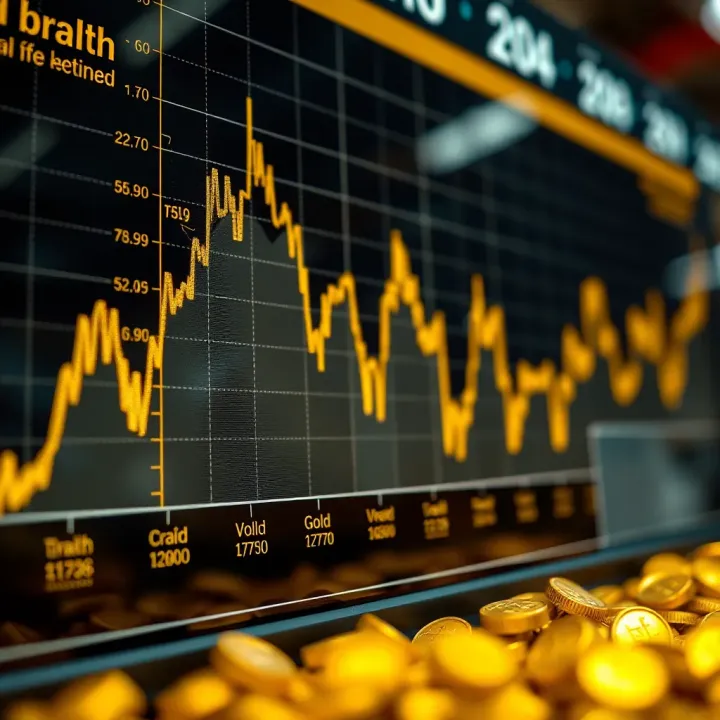
Gold is a finite resource, so its supply depends on mining production, recycling, and government reserves. For example, if a major gold mine faces operational issues, the supply tightens, pushing prices up. On the flip side, if recycling rates rise sharply—say, from increased jewelry scrapping—supply grows and can stabilize or lower prices temporarily.
Demand varies across jewelry makers, central banks, industrial uses, and investment funds. For instance, when investors flock to gold as a safe haven during economic uncertainty, prices typically climb. Conversely, during economic recoveries, demand might dip as investors move toward stocks or real estate.
Gold trades globally, mainly priced in U.S. dollars. This means dollar strength or weakness significantly impacts gold grain prices. A strong dollar makes gold more expensive for holders of other currencies, often reducing demand and putting downward pressure on prices.
Geopolitical tensions, central bank policies, and interest rate changes also sway markets. For example, when the Federal Reserve hints at rate hikes, gold prices often drop because higher interest rates increase bond yields, making them more attractive compared to non-yielding gold.
Remember: Gold doesn’t generate income like stocks or bonds, so its value heavily depends on external financial factors and investor sentiment.
Other important aspects include purity and weight. Gold grains must meet specific standards—typically 99.9% purity—yet minor variations can affect pricing. Also, transaction costs, storage fees, and shipping impact the final price sellers get or buyers pay.
Local market differences matter too. Suppose you’re dealing with gold grain markets in New York versus Dubai; premiums and logistical expenses may differ, creating noticeable price gaps.
Monitor U.S. dollar trends and central bank announcements regularly.
Track mining reports and recycled gold volumes for supply insights.
Consider economic indicators like inflation rates and stock market performance.
Verify gold purity carefully to avoid paying premiums for lower quality.
Bottom line: Staying informed about these factors gives you a sturdier footing to navigate the gold grain market confidently and spot opportunities or risks early.
Understanding what shapes the price of gold grain is key for investors, traders, and financial analysts who deal with this precious metal. Gold grain isn’t just another commodity; it carries qualities that affect its value and how it’s traded worldwide. Knowing these factors helps make sense of market movements and spot profitable opportunities.
Gold grain consists of small granules or nuggets of gold, usually refined to a very high level of purity—often 99.5% or higher. This purity level is crucial because even a slight variation can impact the price significantly. For example, a batch of gold grain with 99.9% purity will command a premium compared to one rated at 99.5%, as its higher gold content makes it more desirable for industrial use and investment.
The size and shape of the grains also matter in practical terms. Smaller, uniform granules are easier to melt and mix, making them popular among jewelers and manufacturers. Bulk traders might look for larger grains for easier handling and storage. If you’re buying or selling, inspecting purity certifications and the physical quality of the grain is non-negotiable.
Gold grain differs from bars, coins, or flakes primarily in form and ease of use. While bars are typically standardized in weight and shape, gold grain offers flexibility since it can be measured exactly to the gram or ounce. This is handy for industries where precise quantities are needed on short notice.
Unlike coins, gold grain has no collectible value—it’s purely industrial or investment-grade metal. That means its price moves closely with the spot gold price rather than numismatic premiums. For instance, a jeweler needing to blend gold into alloys might prefer grain over bars because it melts quicker and mixes easier.
The spot price represents the current market value of gold per ounce or gram, quoted for immediate delivery. Gold grain prices often track this price closely but include a premium or discount based on purity, quantity, and delivery terms. For instance, buying a small quantity might come with a higher premium than a bulk contract.

Contract prices, on the other hand, reflect agreements to buy or sell gold grain at a future date and price. These prices can differ from spot due to market expectations and storage costs. A trader locking in a price today for delivery next month will pay attention to contract prices, which adds a layer of complexity compared to just following spot rates.
Global exchanges like the New York Mercantile Exchange (NYMEX) or the London Bullion Market Association (LBMA) heavily influence gold grain pricing. These centers set benchmark prices that buyers and sellers worldwide reference. Because gold trades 24/7 across various exchanges, price fluctuations in one market ripple across others almost instantly.
Take the example of a sudden geopolitical event in the Middle East—the resulting spike in gold prices on the LBMA would promptly affect grain prices worldwide. This interconnectedness means traders must watch multiple international sources to understand price shifts thoroughly.
Knowing how gold grain prices are defined by purity, form, contract terms, and global exchange rates prepares you to make smarter decisions whether you’re trading, investing, or managing inventory.
Several key factors shape the price of gold grain, reflecting shifts in both the physical market and broader economic conditions. For investors and traders, understanding these forces offers insight into market movements and can guide better buying or selling decisions.
Mining output and production costs have a direct impact on gold grain prices. When gold mines produce less or extraction costs rise—say, due to labor strikes or deeper, more complex mining—supply tightens, pushing prices higher. For example, when Chile’s large gold mines faced operational disruptions in 2023, global supply faltered, nudging gold grain prices upwards. Knowing how production challenges affect availability helps traders anticipate price shifts.
Industrial and investment demand also drives gold prices. Beyond jewelry and tech use, gold serves as a safe-haven investment, notably during economic uncertainty. For instance, during downturns like the 2008 financial crisis, investors flocked to gold grain, betting on its stability compared to volatile stocks. Meanwhile, demand in electronics and medical industries can boost physical consumption, influencing price. Tracking these demand trends reveals whether gold grain is viewed as a utility or a strategic asset at any moment.
Inflation and currency strength are critical to gold grain valuation. When inflation rises, the purchasing power of currencies like the US dollar declines, often driving investors toward gold as a store of value. In contrast, stronger dollars usually mean lower gold prices because it costs more in other currencies. For example, in 2021, the dollar’s weakness amid stimulus efforts correlated with a spike in gold grain prices. Monitoring inflation metrics and dollar indexes can thus provide clues on price direction.
Geopolitical events often trigger rapid gold price moves. Political unrest, such as conflicts in the Middle East or sanctions on major economies, can spike gold demand as a security asset. Take the 2022 Russia-Ukraine conflict: gold grain prices surged as uncertainty dominated global markets. These events create a risk-off environment—investors shy away from equities and look for safe assets like gold grain. Staying informed on international affairs is vital for predicting such price jolts.
Understanding these factors—supply-demand trends, inflation, currency shifts, and geopolitical risks—gives investors and market analysts a pragmatic framework for interpreting gold grain price fluctuations.
Understanding how market mechanisms drive fluctuations in gold grain prices is vital for investors, traders, and financial analysts. These mechanisms work through various channels, including futures markets and currency exchange, each influencing price movements differently. Being familiar with these can help you anticipate shifts and manage risks more effectively.
Futures contracts play a significant role in setting gold grain prices. These contracts are agreements to buy or sell a specific quantity of gold grain at a predetermined price and date in the future. They create a forward-looking price benchmark, reflecting traders’ expectations about supply, demand, and potential market disruptions. For example, if traders expect inflation to rise, futures prices often increase as gold is seen as a hedge against inflation, pushing spot prices higher.
Besides price discovery, futures markets offer liquidity and risk management. Producers and consumers of gold grain use futures to lock in prices and protect against adverse movements. Suppose a jewelry manufacturer fears a price jump in raw gold; they can buy futures contracts to stabilize costs. This hedging activity directly influences current market prices through anticipatory trading.
Speculation and market sentiment heavily influence gold trading. Traders often buy or sell futures based on news, rumors, or economic data, sometimes amplifying price volatility. For instance, during a sudden geopolitical crisis, speculation on gold as a safe haven can spike demand in the futures market, driving prices upward even before physical demand changes.
Market sentiment tends to be self-reinforcing; if traders believe gold prices will rise, their buying pushes prices up, validating their expectations temporarily. This dynamic can lead to price swings unlinked from immediate physical supply and demand, requiring buyers and sellers to monitor market sentiment closely for timely decisions.
Gold prices are closely tied to the U.S. dollar since gold is priced predominantly in dollars on international exchanges. When the dollar strengthens against other currencies, gold typically becomes more expensive in foreign currencies, dampening international demand and causing prices to drop. Conversely, a weak dollar tends to lift gold prices globally.
For example, when the dollar surged in early 2022 due to Federal Reserve interest rate hikes, gold prices softened because non-U.S. buyers found gold less affordable. This inverse relationship is a key factor for traders who track currency movements alongside gold prices.
Currency volatility also impacts local gold grain prices. In countries with unstable currencies or significant exchange rate swings, gold often becomes a preferred store of value, pushing local prices higher than international benchmarks. For instance, during times of sharp depreciation of the Argentine peso, demand for physical gold grains surged, causing local gold prices to spike independently of global trends.
Understanding how exchange rates and currency stability affect gold prices is crucial when dealing with international trade or investment. It influences not only price but also the timing and strategy of buying or selling gold grains.
In summary, price fluctuations in gold grain reflect interplay between futures market dynamics and currency exchange effects. Recognizing these helps financial professionals, traders, and investors navigate the complex gold market landscape with greater confidence.
Buying or selling gold grain involves more than just watching the market price. For investors, traders, and financial analysts, understanding the practical side of handling gold grain can protect against losses and help maximize returns. This means knowing how to evaluate the quality of the gold and assessing the right time and methods to trade.
Assessing purity and authenticity is a key step before any transaction. Gold grain purity is typically measured in karats or fineness, with 24 karats representing nearly pure gold. However, small impurities can affect value and usability in manufacturing or investment. A practical approach is to request assay certificates from recognized laboratories, which quantify purity levels with precision. For example, investors working with suppliers in New York or Los Angeles often rely on certifications from the London Bullion Market Association (LBMA) or reputable independent labs to confirm the authenticity and consistent quality of the grain.
Misjudging purity can lead to paying more than the metal is worth or getting less during resale. Hence, thorough testing and documentation reduce risks.
Choosing reliable suppliers matters just as much. Suppliers with strong reputations and transparent operations ensure that you get genuine products, fair pricing, and clear certification. Buyers often look for suppliers who have established credit history and are members of trade organizations, like the LBMA or Commodity Exchange (COMEX). For instance, a trader working from Chicago might prefer a supplier with a track record of timely deliveries and transparent assay results, avoiding unknown intermediaries who might complicate the chain of custody.
Reliable suppliers also assist with logistics, regulatory paperwork, and help navigate customs if dealing internationally. Such partnerships save time, reduce administrative headaches, and improve trust in transactions.
Timing purchases and sales can make a noticeable difference in profitability. Since gold prices fluctuate with economic news, geopolitical events, and market sentiment, waiting for dips to buy or peaks to sell allows buyers and sellers to capture better value. For example, if economic data points toward rising inflation, buyers might anticipate gold price increases and move to purchase early, while sellers could wait for better price levels before offloading their gold grain.
Seasonal trends also play a part; demand can rise near major holidays or during periods of financial uncertainty, which usually pushes prices up. Staying alert to these cycles helps buyers avoid overpaying and sellers from selling too low.
Using hedging tools offers another layer of price risk management. Futures contracts and options allow traders to lock in prices for future delivery, shielding themselves from unexpected price swings. For instance, a gold grain trader in Houston can use COMEX futures contracts to set a selling price months ahead, minimizing losses if prices drop.
While hedging involves fees and requires market knowledge, it’s useful for those handling large volumes or with fixed budget constraints. Understanding and applying these financial instruments correctly can stabilize cash flows and reduce exposure to volatile markets.
Bottom line: Careful evaluation of gold purity, choosing trustworthy suppliers, and smart timing combined with hedging tools can help buyers and sellers navigate price risks effectively and protect their investments.
Understanding how gold grain prices might move is a big deal for investors, traders, and anyone holding or dealing in this commodity. Keeping a close eye on trends helps avoid nasty surprises and spot opportunities early. Though no method guarantees perfect foresight, combining different tools and expert views gives a clearer picture of what’s ahead.
Technical analysis basics: Technical analysis involves studying past price charts and trading volumes to anticipate future movements. It rests on the idea that history tends to repeat itself in financial markets. For instance, spotting patterns like "head and shoulders" or the 50-day moving average crossing above the 200-day can signal a potential price drop or surge, respectively. Traders often use these signals to time their buying or selling of gold grain more effectively.
While technical analysis doesn’t consider the fundamental reasons behind price shifts, it’s loved for its simplicity and focus on price action alone. A trader watching a sudden spike in gold grain’s trading volume combined with a breakout above a resistance level might decide it’s a good buying moment before prices rise further.
Tracking economic indicators: Economic data also impacts gold grain prices heavily. Inflation rates, interest rates set by the Fed, unemployment numbers, and the US dollar’s strength all play their part. For example, when inflation ticks up, investors often flock to gold as a hedge, pushing prices higher. Similarly, a weaker dollar makes gold cheaper for holders of other currencies, increasing demand.
Monitoring these economic signs can help anticipate price moves before they play out fully. If job reports are weaker than expected and the Fed hints at keeping interest rates low, gold prices often get a lift as safe-haven demand increases.
Following industry analysts: Analysts at firms like Kitco, Bloomberg, and Reuters regularly share insights on gold grain trends based on data, market sentiment, and geopolitical events. These experts often dissect complex factors, offering forecasts that combine both technical and fundamental views. Staying updated on these reports gives investors a well-rounded perspective, helping to validate their own research or flag risks they might have overlooked.
An example: when tensions rise in major economies or central banks signal policy shifts, analysts’ takes can explain potential impacts on gold prices quickly. This allows traders to react before broader markets catch on.
Interpreting investment research: Beyond news summaries, detailed investment research dives deeper into gold grain’s supply, demand, and market structure. Such reports often analyze mining output forecasts, changes in jewelry and industrial gold demand, and ETF holdings.
For instance, if a report highlights a cutback in South African gold production combined with growing luxury demand in Asia, prices might be primed for an upward trend. Being able to read between the lines of research empowers buyers and sellers to make smarter decisions rather than just guessing.
Monitoring and predicting gold grain prices isn’t about crystal-ball gazing. It’s about blending data, patterns, and expert insight to make smart calls in a market that’s always changing.
In summary, blending technical chart analysis, watching economic indicators, and following trusted analyst reports creates a solid toolkit for anticipating price moves in gold grain. This approach gives investors the edge they need to navigate one of the world’s oldest, yet still dynamic, commodities.
📈 Descubre cómo aplicar estrategias clave de swing trading en Colombia: análisis técnico, gestión del riesgo y selección inteligente de activos para mejorar tus resultados.
📊 Aprende a interpretar las velas japonesas y fortalece tu análisis técnico para invertir con confianza en mercados financieros y tomar mejores decisiones.
📊¿Quieres entender el trading de opciones binarias en Colombia? Aprende sobre tipos, riesgos, estrategias claras y herramientas legales para invertir mejor.💡
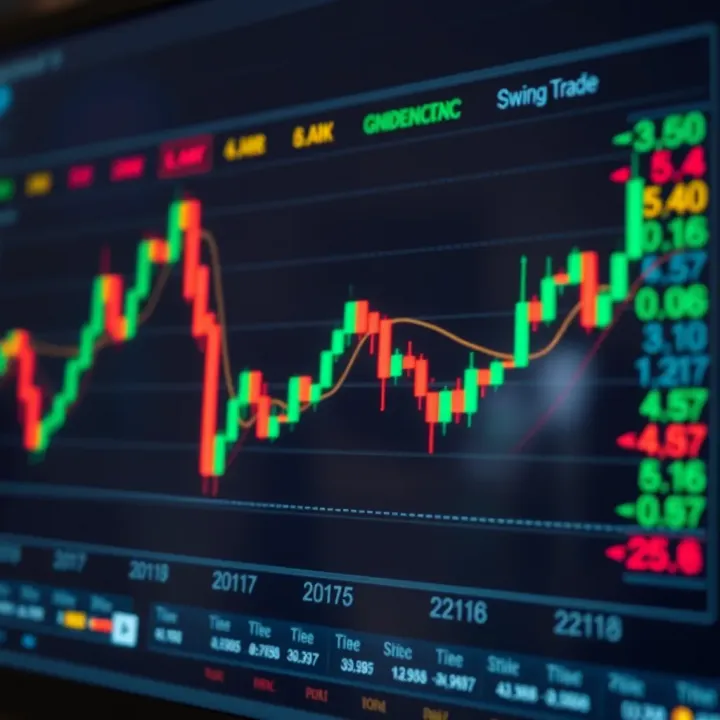
📈 Descubre cómo operar con swing trading usando análisis técnico y fundamental, herramientas clave, gestión de riesgos y control psicológico para ganar confianza en tus inversiones.
Basado en 7 reseñas