
Estrategias clave para el swing trading efectivo
📈 Descubre cómo aplicar estrategias clave de swing trading en Colombia: análisis técnico, gestión del riesgo y selección inteligente de activos para mejorar tus resultados.
Editado por
Sergio Fernández
Pricing a 330 ml bottle of Coca-Cola isn't just about the cost of ingredients or manufacturing. Several factors come into play, influencing what you pay at the checkout. Understanding these elements can help you spot the best deals whether you're a retail trader, analyst, or an everyday shopper.
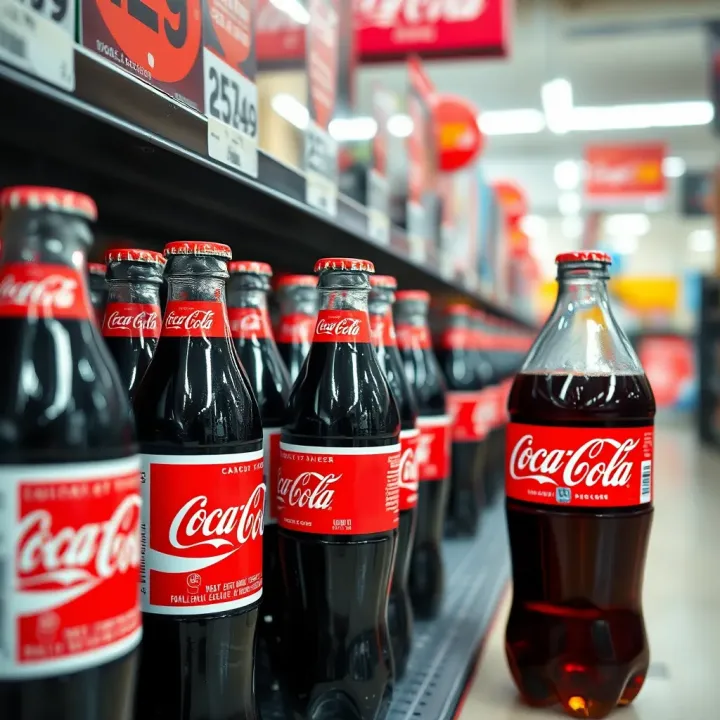
Production Costs: This includes sugar, carbonated water, packaging materials (like the bottle and label), and bottling labor. For example, a rise in aluminum prices can hike costs for canned versions, indirectly affecting the bottled product pricing too.
Distribution Expenses: Shipping and logistics add layers to the price tag. Transporting products nationwide or internationally involves fuel costs, trucking fees, and storage expenses. Smaller retailers in remote locations often face higher prices due to added shipping costs.
Retailer Markup and Competition: Supermarkets and convenience stores set prices based on local competition and profit goals. A 7-Eleven might price the 330 ml Coke higher than a Walmart due to convenience.
Promotions and Bulk Deals: Discounts, loyalty rewards, and volume purchase offers can shave dollars off the retail price. Buying a pack of six usually offers a per-bottle saving compared to single purchases.
Market Demand and Seasonality: Demand spikes in summer or during major sports events often lead to higher prices. Conversely, off-season periods see retailers offering sale prices to clear inventory.
Retail formats differ significantly:
Grocery chains typically have competitive pricing due to high volume sales and supplier agreements.
Convenience stores charge more for immediate availability and easy access.
Online marketplaces may offer bulk purchase discounts but add shipping fees.
Keep in mind that sales taxes vary by location and affect your final purchase price.
Over recent years, inflation and commodity price shifts caused gradual price rises. However, Coca-Cola's branding power often allows the company to maintain a stable price point, balancing costs without alienating consumers.
Compare prices between big-box stores and local retailers.
Look for weekly promotions or manufacturer coupons.
Consider buying multipacks to lower the cost per bottle.
Shop during seasonal sales where beverages often go on discount.
Use price tracking apps to monitor fluctuations over time.
Knowing these details gives you an edge to make smarter buying decisions and spot pricing anomalies fast, which is valuable whether analyzing market trends or just trying to save a few bucks.
Understanding what shapes the price of a 330 ml Coca-Cola bottle helps investors, traders, and financial analysts make sense of market dynamics. Prices are affected by several tangible and market-driven elements that go beyond basic supply and demand. These factors impact the product’s cost at the production, distribution, and retail levels, directly influencing profitability and pricing strategies.
Raw materials and ingredients are foundational to how much Coca-Cola costs to make. Key inputs like sugar or high-fructose corn syrup, carbonated water, and flavor extracts all carry fluctuating costs depending on crop yields, commodity prices, and currency exchange rates. For example, if sugar prices spike due to poor harvests or trade restrictions, production costs rise, which usually trickles down to retail prices.
Packaging expenses also play a meaningful role. The 330 ml glass or plastic bottle requires materials like PET or glass, plus labels, caps, and shrink wraps. Changes in raw plastic prices or new environmental regulations forcing recycled materials usage can increase packaging costs. When manufacturers switch to eco-friendlier but pricier materials, these expenses often reflect in the final price consumers pay.
Logistics and transportation cover everything needed to move Coca-Cola from bottling plants to retail shelves. Shipping costs depend on fuel prices, route efficiency, and shipping volume. For example, sudden diesel price hikes might lead to higher delivery charges, pushing prices up. Distribution efficiency in local markets—say, urban compared to rural—also impacts transportation costs and therefore product pricing.
Consumer choices and trends heavily influence Coca-Cola’s pricing. If demand for soda dips due to health-conscious shifts or alternative beverages gaining popularity, prices might drop to maintain sales. Conversely, a summer heatwave boosting soda consumption tends to push prices higher. Retailers constantly watch these patterns to adjust pricing accordingly.
Competitor pricing, especially from brands like Pepsi or local soda companies, forces Coca-Cola to keep its pricing competitive. If Pepsi launches aggressive discounts or promotions, Coca-Cola products might lower prices or step up value offers to hold market share. This competitive interplay shapes day-to-day price fluctuations in many retail outlets.
Retailers add their own markup to cover operational costs and profit margins. Different stores have varying strategies; supermarkets might set lower prices but rely on volume, while convenience stores usually charge a premium for easy access. This markup can sometimes double the wholesale cost, affecting the end-consumer price noticeably.
Local taxes and regulations also play a part. Some states impose soda excise taxes or sugar taxes that sellers pass on to buyers. For instance, places like Berkeley, California, have implemented soda taxes that directly increase shelf prices. Regulatory compliance costs, like labeling or recycling fees, can also add small but cumulative costs.
The bottom line is that Coca-Cola’s price reflects a complex mix of material costs, market forces, retailer decisions, and local policies. Understanding these helps financial professionals forecast price movements and spot opportunities in the beverage market.
The price of a 330 ml Coca-Cola can shift quite a bit depending on where you buy it. Differences between retail outlets influence not only the cost but also the buying experience. Understanding these variations helps consumers spot the smartest deals and gauge value beyond just the sticker price.
Supermarkets typically list Coca-Cola at a baseline price that reflects their wholesale costs plus markup. However, frequent promotions and seasonal sales can slash these prices temporarily. For example, during July 4th weekend sales, chains like Kroger or Safeway often run "buy one, get one free" deals or reduce multi-pack prices. Shoppers who time their purchases around these offers can easily save 15-25% compared to regular pricing.
Grocery stores often stock private-label sodas to compete with Coca-Cola’s brand. These store brands usually price their 330 ml cans lower, pushing Coca-Cola to adjust prices to stay competitive. For instance, Walmart’s Great Value soda line undercuts Coca-Cola’s price by a few cents per can but might sacrifice brand preference. This competition influences Coca-Cola’s pricing strategy in supermarkets, balancing brand premium with affordability.
Convenience stores and vending machines often charge more for a 330 ml Coke due to the ease and immediacy they offer. Gas stations or 7-Eleven, for example, might price a can 25-50% above supermarket rates. This markup reflects the convenience, 24/7 availability, and small volume sales. Shoppers often accept paying extra because they prioritize quick access over cost savings.
While pricier, convenience stores and vending machines serve locations where supermarkets aren’t practical, such as busy street corners, campuses, or transit hubs. This accessibility justifies the markup for many buyers. It’s worth noting that vending machines sometimes have dynamic pricing, adjusting cost based on time of day or demand, which adds another layer of price variation.
When buying a 330 ml Coca-Cola at a restaurant or café, the price goes beyond the can itself. Menu prices usually bundle in service costs and overhead like staff wages and rent. A can might cost $2–$3 in a casual diner, compared to $0.80 in a supermarket. This difference reflects ambiance, convenience, and the service element embedded in dining out.
Restaurants also tweak portion sizes, sometimes offering larger bottles or refills instead of a single 330 ml can. Pricing adapts accordingly, where a 16 oz (about 473 ml) bottle would cost noticeably more than a 330 ml can. Recognizing these differences helps consumers evaluate whether the higher cost aligns with the portion and dining experience offered.
Bottom line: Knowing how prices vary by outlet gives you the upper hand. Whether you’re squeezing a budget or valuing convenience, each buying spot offers a trade-off between price, access, and service.
Consumers can save quite a bit on Coca-Cola 330 ml by paying attention to promotions, discounts, and bulk-buying opportunities. These strategies directly influence the per-unit cost, making it worthwhile to watch for deals throughout the year or consider buying larger quantities.
Holiday sales often bring notable price cuts on beverages like Coca-Cola 330 ml. Retailers usually offer deals around major US holidays such as Thanksgiving, Christmas, and Fourth of July when people tend to stock up for gatherings or parties. For example, supermarkets may run "buy one, get one free" promotions or discount multi-packs during these periods, making it more affordable to buy for events.
Special event promotions also play a role in pricing. Big sports events like the Super Bowl or local festivals can trigger localized discounts or bundled offers. Sometimes Coca-Cola partners with event sponsors to offer unique promotions, like limited-edition packaging or coupons redeemable after the event. These promotions boost short-term demand and provide chances to snag Coca-Cola 330 ml at reduced prices.
Manufacturer coupons still pack a punch in cutting prices. These coupons, found in Sunday newspapers or through Coca-Cola’s official site, can discount individual cans or packs. Although less common than in the past, stacking manufacturer coupons with store sales can mean paying less than regular retail prices. For a savvy buyer, this combo can reduce bottling costs significantly.
Retailer app discounts are becoming increasingly popular. Many grocery stores offer digital coupons or exclusive app-based discounts on items including Coca-Cola. For instance, apps like Kroger’s or Safeway’s loyalty programs provide personalized deals that stack with sales, letting consumers tap into savings on every purchase. Watching for these app deals adds a handy tool for cutting down costs with minimal effort.
Cost savings per unit are clear when buying larger packs or cases. Purchasing a 24-pack or value pack of 330 ml cans often reduces the price per can compared to singles or small multipacks. For example, a 24-pack purchased at Costco or Walmart might offer up to 20-30% savings per can. This is ideal for families or offices where consumption is high.
Storage and shelf-life considerations do come into play with bulk buying. Coca-Cola cans have a shelf life generally spanning several months to a year, but storing them properly—cool, dry place away from sunlight—is key to preserving taste and carbonation. Overbuying without suitable storage space may lead to waste, eating into the potential savings. So, evaluating consumption patterns before bulk purchases ensures the deal actually benefits your wallet.
Taking advantage of promotions, discounts, and bulk purchases requires a bit of attention, but the payoff can be substantial. By monitoring seasonal sales, clipping coupons, utilizing retailer apps, and buying smartly in bulk, consumers can enjoy their favorite Coca-Cola 330 ml without paying full price every time.
Understanding how Coca-Cola 330 ml prices have shifted over time sheds light on the bigger forces shaping the beverage market. Tracking historical pricing trends gives investors, traders, and analysts clues about inflation patterns, supply chain pressures, and branding impacts that affect consumer costs today. These insights allow for more accurate forecasting and better strategic decisions.
Inflation directly influences Coca-Cola’s retail price by raising the costs of everything from ingredients to labor. For example, during periods of high inflation like the 2021-2022 spike in the U.S., companies had to increase prices to offset rising expenses. This meant that a 330 ml bottle that cost around $1.00 five years ago might retail for $1.20 or more today. These adjustments reflect general price level rises that consumers pay across many products.
Understanding inflation’s role is crucial for financial analysts tracking consumer goods. It explains why nominal prices tend to move upward over time rather than stay static, even if demand remains steady. For traders evaluating sectors, seeing how Coca-Cola’s price reacts to inflation benchmarks like the Consumer Price Index (CPI) signals the beverage’s sensitivity to macroeconomic conditions.
Supply chain disruptions often add unexpected pressure on Coca-Cola’s pricing. Take the 2020 pandemic, for instance: shutdowns and transportation bottlenecks increased delivery times and fuel expenses. Such shifts inflate costs beyond raw materials alone. Packaging shortages or increased aluminum prices for cans also play a part.
For companies and investors, supply chain volatility translates into short-term price adjustments that can temporarily boost retail prices. These fluctuations underline the importance of monitoring global logistics and commodity markets when analyzing Coca-Cola pricing. Seeing a correlation between supply chain spikes and price hikes helps predict possible future market moves.
Coca-Cola’s brand power affects its pricing by sustaining strong consumer loyalty. Fans of the brand often prefer it over cheaper alternatives, granting Coca-Cola some pricing flexibility. Loyal customers are less price-sensitive, so the company can maintain or raise prices without losing significant market share.
For financial analysts, this loyalty acts like a buffer against sudden price shocks in raw materials or competition. It also indicates stable revenue streams for investors since repeat buyers keep demand steady even when prices climb. Recognizing this loyalty-driven resilience informs strategic choices about portfolio allocations in consumer beverage stocks.
Beyond loyalty, Coca-Cola positions itself as a premium product through marketing and consistent quality. This reputation justifies prices that sometimes run above store-brand sodas or local competitors. The perceived value allows Coca-Cola to command a price premium in various retail channels.
This premium status means retailers can price Coca-Cola higher and still sell it, improving profit margins. Investors watch how branding influences pricing to assess the company’s power to pass along cost increases without eroding customer base. It’s an essential factor for understanding Coca-Cola’s sustained profitability amid competitive markets.
The bottom line is, both historical pricing data and brand influence paint a full picture of why Coca-Cola 330 ml costs what it does today. For market participants, grasping these elements is key to making informed decisions related to pricing, investment, or market strategy.
Getting the best price on Coca-Cola’s 330 ml bottles means knowing where to look and when to buy. Shoppers who understand these factors can save quite a bit over time, especially if they purchase regularly or in bulk. The key is combining practical strategies with smart timing to avoid paying extra.
Online marketplaces have become popular places to score deals on everyday items, including Coca-Cola. Platforms like Amazon, Walmart, and Target often offer competitive pricing, particularly when you buy multi-packs. For example, you might find a 12-pack priced lower online than at local stores, even after shipping. Plus, online sellers sometimes run flash sales or offer discounts through promo codes. However, it pays to check seller reviews and shipping fees because those can add to the total cost.
Local discount stores are another solid option, especially outlets like Dollar Tree, Aldi, or regional discount grocers. These stores typically buy in bulk and pass savings on, which often leads to lower per-unit prices. For instance, if you live near an Aldi, you might catch regular deals on Coca-Cola that beat traditional supermarkets. The trade-off might be a limited variety or fewer promotional packs, but if you're just after the regular 330 ml bottles, these stores can be real money-savers.
Best times for promotions often center around holidays or special occasions when retailers want to boost sales. Think Fourth of July, Super Bowl Sunday, or New Year’s parties — these events usually trigger discounts on sodas like Coca-Cola. Also, end-of-season clearances or supermarket inventory rotations might put the products on sale unexpectedly. If you time your purchases around these periods, you can snag cases at noticeably reduced prices.
Using price comparison tools simplifies the hunt for the cheapest option. Many apps and websites allow you to scan barcodes or search products to compare prices across nearby stores or online. For example, apps like Flipp or ShopSavvy help shoppers quickly see if buying at the supermarket or ordering online is the better deal. This saves time and prevents impulse buys at higher prices, especially when combined with coupons or discount codes.
Bottom line: knowing where to shop and when to buy takes some effort but pays off in savings on every bottle of Coca-Cola you pick up. Armed with these tips, you can make smarter, wallet-friendly choices.
📈 Descubre cómo aplicar estrategias clave de swing trading en Colombia: análisis técnico, gestión del riesgo y selección inteligente de activos para mejorar tus resultados.

📊 Aprende a interpretar las velas japonesas y fortalece tu análisis técnico para invertir con confianza en mercados financieros y tomar mejores decisiones.

📊¿Quieres entender el trading de opciones binarias en Colombia? Aprende sobre tipos, riesgos, estrategias claras y herramientas legales para invertir mejor.💡

📈 Descubre cómo operar con swing trading usando análisis técnico y fundamental, herramientas clave, gestión de riesgos y control psicológico para ganar confianza en tus inversiones.
Basado en 5 reseñas