

Estrategias clave para el swing trading efectivo
📈 Descubre cómo aplicar estrategias clave de swing trading en Colombia: análisis técnico, gestión del riesgo y selección inteligente de activos para mejorar tus resultados.
Por
Javier Rojas
Editado por
Javier Rojas
Converting Colombian pesos (COP) to US dollars (USD) is a common task for investors, traders, financial analysts, and educators dealing with cross-border transactions or economic data. Understanding this currency conversion goes beyond just swapping numbers—it's about grasping the factors that affect the exchange rate and knowing which methods deliver the best value.
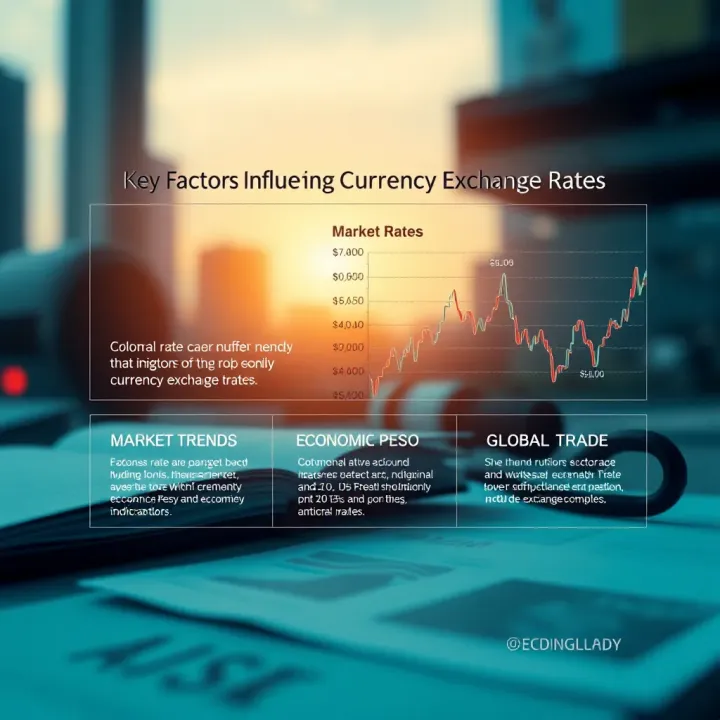
The exchange rate between the Colombian peso and the US dollar fluctuates daily due to supply and demand in the foreign exchange market. For example, if today the rate stands at 4,000 COP per 1 USD, that means 4,000 Colombian pesos buy you one US dollar. However, this rate changes based on economic indicators, geopolitical events, and market sentiment.
It's essential to recognize that the "market rate" you see online or on financial platforms often differs from the rate banks or exchange services offer. Fees, commissions, and marginal markups cause this gap.
Economic Performance: Colombia’s GDP growth, inflation rate, and trade balance can push the peso up or down against the dollar.
Commodity Prices: Since Colombia relies heavily on exports like oil and coffee, fluctuations in commodity prices directly impact the peso.
US Dollar Strength: Changes in US monetary policy or US economic indicators also affect the dollar's performance.
Political Stability: Events such as elections or policy changes on either side can shift investor confidence.
If you're an investor or doing business involving these currencies, choosing the right exchange method is vital:
Banks and Currency Exchange Services: Physical and online banks often provide reliable services but watch out for their fees and rates.
Online Currency Converters: Use these tools for quick estimates, but they don’t include fees.
Currency Trading Platforms: For traders and financial professionals, platforms like MetaTrader or Interactive Brokers offer real-time rates and transaction capabilities.
Remittance Services: Sending money internationally through providers like Western Union or Wise can offer competitive rates but verify their current fees.
Fluctuations in the COP/USD rate directly impact travel budgets, import-export costs, and remittance values. For example, if you're sending $500 to family in Colombia, a swing of 100 COP per USD could mean $12.50 more or less in their local spending power. For companies, currency swings affect profit margins and pricing strategies.
Bottom line: Knowing how to convert effectively, understanding what affects rates, and choosing the right method are essential for making smart financial decisions involving Colombian pesos and US dollars.
Understanding the basics of converting between the Colombian peso (COP) and the US dollar (USD) is essential for anyone involved in investment, trading, or financial analysis that crosses the borders of these two economies. With the US dollar being a dominant global currency and the Colombian peso representing a growing Latin American market, their exchange impacts pricing, profits, and risk.
The Colombian peso, symbolized as COP, is Colombia's official currency, issued by Banco de la República, the country's central bank. The US dollar (USD), used throughout the United States and widely accepted internationally, serves as the world's primary reserve currency. They represent not just national money but broader economic indicators—strength, stability, and global trust. For example, fluctuations in the COP/USD rate can reflect shifting confidence in Colombia's economy compared to the US.
Exchange rates can either float freely or be fixed by a country’s government. Colombia operates a floating exchange rate for the peso, meaning its value changes daily based on market forces like trade flows and investment. This contrasts with fixed rates, where a government pegs its currency to another, like how the Hong Kong dollar is tied to the USD. Floating rates offer flexibility but come with volatility, so traders and investors must monitor them closely.
Exchange rates boil down to supply and demand for each currency. When US dollars are in high demand—say, because investors want to buy US assets or the Federal Reserve raises interest rates—the dollar strengthens against the peso. Conversely, if Colombian exports spike or foreign investments flow into Colombia, demand for the peso may rise, pushing its value upward. A practical example: a sudden increase in Colombian coffee exports might boost the peso's demand, slightly improving its exchange rate.
Central banks, like Banco de la República and the US Federal Reserve, play a balancing act by influencing currency values through monetary policy. They may intervene directly by buying or selling currencies or indirectly by adjusting interest rates to control inflation and stabilize the economy. For instance, if Banco de la República raises rates, it could attract foreign capital, increasing demand for the peso and raising its value versus the dollar.
Understanding these fundamentals equips investors and financial analysts with the context needed to interpret currency movements and make informed decisions when dealing with Colombian peso to US dollar conversion.
Key takeaway: Exchange rates reflect complex interplay between market forces and policy moves, so staying informed about economic indicators and central bank actions is crucial for effective currency conversion strategies.
Knowing the current trends behind the Colombian peso (COP) to U.S. dollar (USD) exchange rate isn't just trivia—it's vital for making smarter investments, planning international business, and managing travel budgets. The exchange rate reflects shifting political, economic, and global factors. Understanding these lets you predict potential moves or at least make better decisions about when and how to convert currencies.
Colombia’s economic health significantly impacts the peso’s strength against the dollar. When Colombia experiences steady economic growth, investors typically gain confidence in the peso, boosting its value. For instance, if Colombia's GDP grows at 3% annually with low inflation, the currency may rebound or strengthen.
On the other hand, high inflation erodes the peso’s purchasing power. Colombia's inflation hitting above 5%, for example, can push the central bank to raise interest rates, which might temporarily support the peso but often signals underlying economic pressure. Investors and traders watch these signs closely because inflation changes affect export competitiveness and consumer spending.
The U.S.’s Federal Reserve’s decisions directly influence the dollar’s global role, including its exchange rate with the peso. When the Fed hikes interest rates, the dollar tends to gain strength as it offers higher returns on investments, pulling capital from emerging markets like Colombia.
Consider the Fed’s rate changes in early 2024. Even a quarter-point increase can cause the dollar to appreciate against the peso, making imports more expensive in Colombia and influencing cross-border trade. For businesses relying on dollar payments or Colombians sending remittances, such moves have real money effects.
Colombia’s economy depends heavily on commodities like oil, coffee, and coal. When commodity prices rise globally, Colombia usually sees currency gains because higher export revenues increase demand for the peso.
Take crude oil: when prices hit $80 a barrel, Colombia’s foreign income boosts, strengthening the peso. If prices crash below $50, however, export income shrinks, weakening the currency. Traders and analysts monitor these shifts since commodity swings mean direct effects on Colombia’s trade balance and currency value.
Trade agreements and tensions also shape the COP-USD rate. Strong trade ties with the U.S. encourage dollar inflows to Colombia, supporting the peso. Conversely, tariffs or strained relations discourage investment, prompting peso depreciation.
For example, disruptions from global trade disputes or changes in U.S. import policies can cause currency volatility. Colombian exporters and importers must stay alert to policy changes because these affect costs and profitability when converting pesos to dollars.
Tracking these trends gives you an edge. Whether you're a trader, a business owner, or just handling personal finances, understanding how politics, economics, commodities, and trade deals shape the COP-USD exchange rate helps you make informed currency decisions.
When dealing with Colombian pesos to US dollars conversion, knowing the right method can save time and money. This section focuses on practical ways investors, traders, and financial analysts can convert currency efficiently without costly surprises.
Banks and currency exchange offices remain a solid option for converting Colombian pesos to US dollars. Visiting a local branch or exchange service allows you to get immediate cash and consult with representatives if you have questions. For example, if you’re traveling from Bogotá to Miami, exchanging pesos at a reputable bank like Bancolombia before your trip means you’ll avoid shady kiosks or airports with unfavorable rates. However, watch out for service fees and compare multiple providers since rates can vary widely.
Online platforms have grown wildly popular due to convenience and sometimes better rates. Services like Wise, Remitly, or Xoom offer digitized currency conversions with transparent fees—perfect if you want to send dollars directly to U.S. bank accounts. These platforms can often beat brick-and-mortar rates and are handy for remittance purposes. Still, beware of transfer limits and processing times. For example, Wise usually offers mid-market rates but charges a small, clear fee, making it easier to know what you’re paying.
For investors and analysts tracking peso-dollar fluctuations, real-time rate trackers are invaluable. Websites like XE.com and OANDA provide live rates and historical data to inform timing decisions. This timely insight is critical when planning trades or budgeting for cross-border payments. For instance, spotting a sudden dip in the peso could prompt you to convert sooner rather than later to protect purchasing power.
Mobile apps bring currency conversion to your fingertips, ideal for quick checks while on the move. Apps like Currency Converter Plus or the Bloomberg app offer reliable rates and a user-friendly interface. But not all apps update data as swiftly or accurately; relying on well-known, widely reviewed apps ensures better price precision. For example, a trader using an outdated app might miss key rate shifts, costing them potential profits.
Using a combination of physical services and digital tools lets you balance convenience, cost, and real-time intelligence. This approach helps you make smarter conversion choices in a market that never sits still.
Getting the best bang for your buck when converting Colombian pesos to US dollars depends much on timing and choosing the right service. Even a tiny difference in exchange rates or hidden fees can eat into your money, especially if you're dealing with large sums or doing frequent conversions. By paying attention to market timing and the fine print of fees, you can stretch your dollars further.
Exchange rates between the Colombian peso and the US dollar move constantly due to global economic factors. Keeping an eye on market trends can help you spot favorable moments to exchange currency. For example, if Colombia's central bank announces a policy that strengthens the peso, waiting a day or two before exchanging might get you more dollars in return.
Tracking financial news and exchange rate charts from reliable sources like Bloomberg or Reuters gives you a practical edge. Setting alerts on currency apps for sudden spikes or drops means you’re not trading blind. Say you noticed the peso gaining strength over a week—acting quickly then could save or gain you a decent chunk of money.
Currency markets can be unpredictable. The peso-dollar rate might swing by a few percent in a day, influenced by political developments, commodity prices, or global trade news. Understanding this volatility means you’ll avoid panicking during dips or rushing during highs.
For instance, if the peso suddenly drops because of political unrest in Colombia, it may be wise to hold off converting until things settle. Conversely, if you have urgent bills, you’d want to convert right away to avoid further losses. Being aware of volatility helps tailor your strategy whether you’re a traveler or a business owner.
Two services can look similar at first but charge different fees or use different exchange rates. The rate a bank offers may be near the market rate, but added fees—like transaction or service charges—reduce your final amount.
Before you convert, always check the total cost: the exchange rate multiplied by the amount minus any fees. Some online platforms show all costs up front, but many brick-and-mortar places don’t. Suppose you’re exchanging $1,000 worth of pesos; a 2% fee means losing $20 outright. Over multiple exchanges, those fees add up fast.
Using currency exchange services with bad reviews or unclear pricing can cost you more than money—it can waste your time and cause unnecessary frustration. Scammers or inexperienced providers might offer tempting rates but add hidden fees or delay transfers.
Seek out providers with solid customer feedback and transparency about their charges. For example, well-known digital platforms like XE or Wise reveal their rates and fees clearly, which helps you make quick, informed choices. Stick to trusted names especially if you plan to transfer money frequently or in large amounts.
The bottom line is, a smart strategy around timing and provider selection can save you hundreds when converting Colombian pesos to US dollars. Keep your eyes open, do your homework, and watch out for unnecessary fees to make every dollar count.
Understanding how the Colombian peso converts to the US dollar matters a lot for travelers, business owners, and anyone sending money across borders. The exchange rate shifts can directly affect how much you get for your money, impacting budgets, profits, and expenses. Whether you’re planning a trip, running a business, or supporting family back home, staying on top of these fluctuations helps you make smarter financial choices.
When Colombian travelers exchange pesos for dollars, the rate influences their spending power abroad. For example, if the peso weakens against the dollar, a vacation in New York or Los Angeles suddenly costs more in local currency terms. This means that travelers might need to budget extra to cover the same expenses, like hotels, dining, or attractions. On the other hand, a stronger peso makes traveling cheaper and more affordable. It’s also worth considering that some US businesses accept cards without foreign transaction fees, but many do not, so converting pesos when rates are favorable helps avoid extra costs.
For Colombian companies dealing with US partners or customers, exchange rates can swing profit margins drastically. Exporters selling goods priced in US dollars benefit when the peso dips because their dollar earnings translate into more pesos back home, boosting their revenue. However, if the peso strengthens, the converted amount shrinks, potentially squeezing profits unless prices adjust. Conversely, businesses importing from the US face higher costs when the peso is weak, raising expenses for raw materials or equipment priced in dollars. This back-and-forth requires businesses to closely watch exchange trends and possibly hedge their currency exposure to avoid surprises.
Remittances from the US to Colombia represent a lifeline for many families, and exchange rates heavily impact their value. When sending dollars that convert to pesos, a favorable exchange rate means recipients get more local currency, directly helping with household needs like rent or groceries. But during times of peso weakness, the same dollar amount buys less in Colombia, making everyday expenses tougher to cover. Additionally, remittance fees and poor exchange rates offered by some providers can cut into the amount received. Choosing reliable services with transparent fees, and timing transfers when rates improve, can save senders and receivers significant money.
The bottom line is that small changes in the peso-dollar exchange rate can ripple through travel budgets, business profits, and family support, making it essential to stay informed and plan ahead.
Understanding these effects allows investors, traders, and financial analysts to provide clearer guidance to their clients and make better decisions influenced by currency dynamics.
📈 Descubre cómo aplicar estrategias clave de swing trading en Colombia: análisis técnico, gestión del riesgo y selección inteligente de activos para mejorar tus resultados.

📊 Aprende a interpretar las velas japonesas y fortalece tu análisis técnico para invertir con confianza en mercados financieros y tomar mejores decisiones.

📊¿Quieres entender el trading de opciones binarias en Colombia? Aprende sobre tipos, riesgos, estrategias claras y herramientas legales para invertir mejor.💡
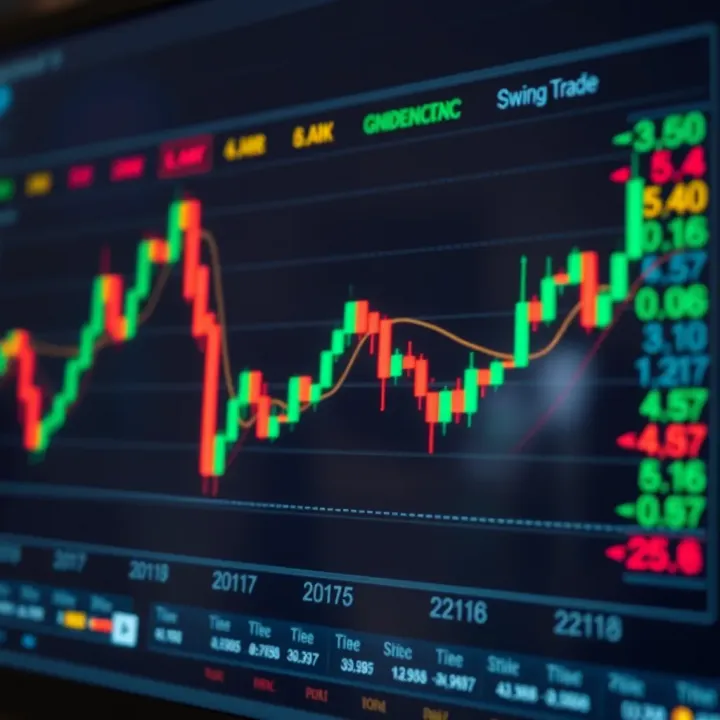
📈 Descubre cómo operar con swing trading usando análisis técnico y fundamental, herramientas clave, gestión de riesgos y control psicológico para ganar confianza en tus inversiones.
Basado en 11 reseñas