
Cómo Invertir en Forex Desde Colombia: Guía Práctica
📈 Aprende a invertir en Forex desde Colombia, conoce plataformas clave, riesgos y estrategias para operar divisas con éxito. Guía práctica y legal para traders.
Editado por
Carlos Méndez
Gold remains a reliable store of value, especially in markets like Colombia where economic shifts can affect purchasing power. Knowing the current gold price per gram is essential if you're investing, trading, or planning transactions involving gold.
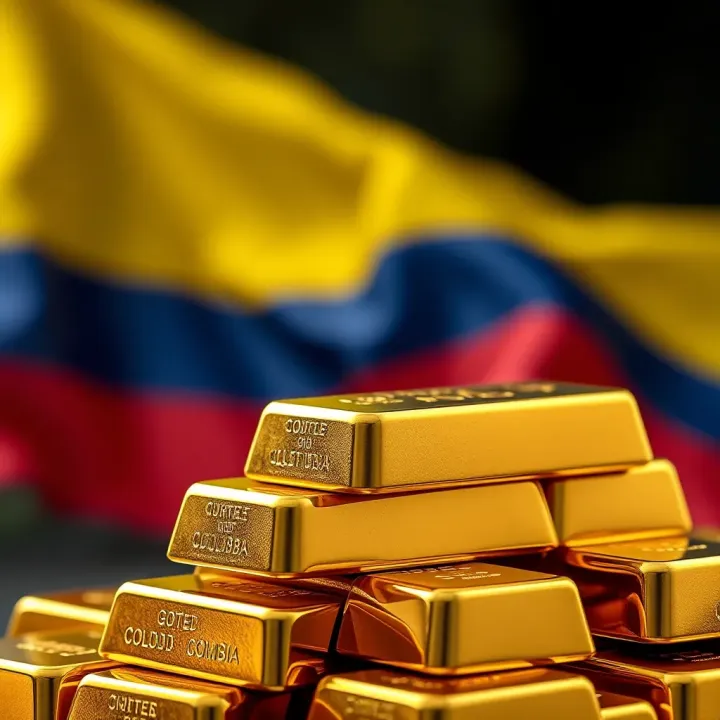
Gold prices in Colombia closely follow global market trends, but local factors also play a role. For example:
Inflation rates can push gold prices up as people seek a hedge.
Currency fluctuations against the US dollar impact gold’s local cost since Colombia prices gold in pesos.
Demand from jewelers and investors influences short-term price swings.
At times, political uncertainty or changes in mining regulations create ripple effects that shift the local gold market.
Gold is typically priced per gram, with purity expressed in karats or fineness. Colombia widely uses 18K and 24K gold bars and coins:
24K gold (99.9% pure) is the most valuable and sought after for investment.
18K gold is common in jewelry but less pure, so prices per gram are lower.
When trading or investing, make sure you verify the purity—testing kits or certificates from reputable assay offices help avoid surprises.
"Gold purity and precise measurement are key for fair transactions. Never accept a gold item without proof of its karat or millesimal fineness."
Colombia’s gold market is vibrant, but scams happen. To protect yourself:
Buy from authorized dealers or certified pawnshops.
Avoid sellers without clear documentation or transparent pricing.
Use official scales when weighing gold; a gram off can mean a big loss.
Keep an eye on the international gold price, which influences Colombian rates.
Understanding these basics helps you make informed decisions rather than reacting to hype or misinformation.
Tracking the current gold price per gram in Colombia isn’t just for pros—it’s smart for anyone dealing with gold. Coupled with awareness of local purity standards and market factors, this knowledge can help you trade confidently and spot value where others miss it.
Understanding the gold price per gram in Colombia is essential for anyone involved in investing, trading, or financial analysis within the country. Since gold serves as both a commodity and a form of wealth preservation, knowing the pricing landscape helps investors make informed decisions and anticipate market trends. Colombian gold prices reflect a mix of local economic conditions and global market movements, making the overview a practical tool for grasping current and future valuations.
Tracking the latest gold price per gram in Colombia gives investors a real-time snapshot of gold's purchasing power in the local market. For example, if gold trades at around $60 per gram today, that price affects how buyers and sellers negotiate, whether for jewelry, investment bars, or industrial use. Knowing this rate helps traders assess whether it's the right moment to buy or sell. Local prices often reflect currency exchange rates, taxes, and import duties alongside global spot prices.
Looking at how gold prices have shifted over recent months provides context on volatility and market sentiment. Suppose gold was $55 per gram three months ago and climbed steadily to $60 now — that's a roughly 9% increase. Such movement can signal increasing demand, inflation fears, or currency pressures. Investors watching these trends can anticipate whether this momentum might continue or if a correction is due, helping with portfolio timing and risk management.
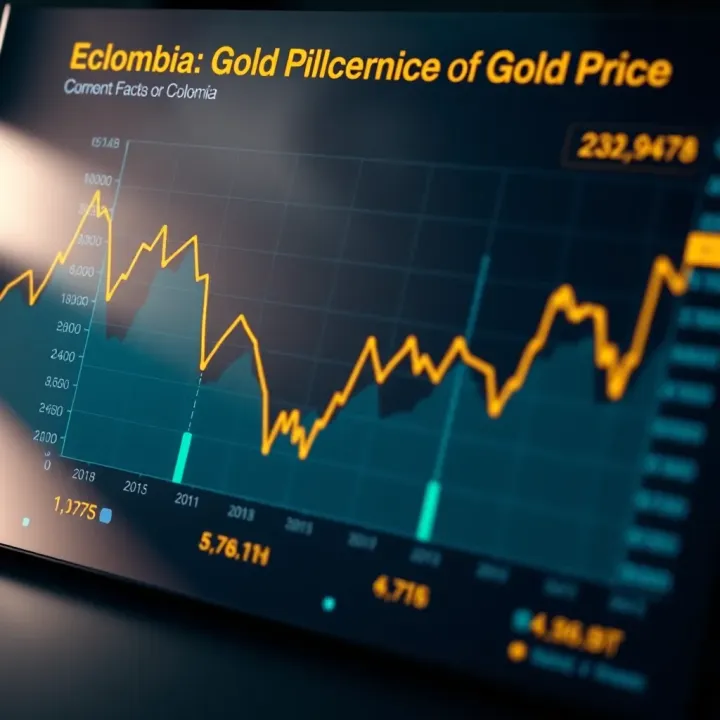
Gold prices in Colombia don't move in isolation; they're heavily influenced by global markets. Since gold is traded worldwide on exchanges like the COMEX and the London Bullion Market, any shifts in global demand or supply ripple through local prices. For instance, if geopolitical tensions rise in the Middle East, global gold demand often climbs as investors seek safe havens, pushing prices higher even in Colombia.
At the same time, Colombia’s own economic conditions play a big role. Inflation rates, for example, impact gold prices because gold often serves as a hedge against rising prices. If Colombian inflation ticks up, demand for gold could rise locally as people seek to protect their wealth. Currency fluctuations, especially movements in the Colombian peso against the US dollar, also shift gold’s local price since gold is priced in dollars globally but bought and sold in pesos domestically.
Keep in mind: While global events set the base price, Colombia's inflation and currency strength act like dials that fine-tune what you actually pay or receive per gram.
This blend of external and internal factors means keeping an eye on both global headlines and local economic reports is key for anyone dealing with gold in Colombia.
Understanding the economic factors shaping gold prices in Colombia helps investors and traders make smarter decisions. When it comes to the Colombian peso and inflation, these elements directly impact how gold's price per gram moves locally. International events also play a big part by influencing global demand, supply, and political conditions that affect trading.
The Colombian peso's ups and downs often have a quick ripple effect on gold prices. When the peso weakens against the dollar, gold usually becomes more expensive locally since gold is priced in dollars on world markets. For example, if the peso drops by 5%, gold prices in Colombian pesos might climb to reflect the currency loss. Traders here watch peso trends closely as an early signal for changing gold costs.
Inflation is another key driver influencing gold prices. In Colombia, rising inflation rates erode purchasing power, pushing more people and investors to buy gold as a safe haven. During periods of higher inflation, gold prices per gram tend to rise because demand grows while the local currency’s value declines. This pattern is visible during inflation spikes when gold becomes an attractive option to preserve wealth against price increases.
Gold’s price is sensitive to global demand and supply rhythms. Colombian gold prices don’t exist in a vacuum; they follow global trends closely. If major consumers like India or China increase their gold buying, prices go up worldwide, including Colombia. On the flip side, if mining output globally ramps up, that can ease prices. So, market participants here watch international gold production reports and consumer demand signals.
Political stability and trade policies influence gold pricing too. For instance, international trade tensions or sanctions can disrupt supply chains or change investment flows. Colombia’s political climate also matters — uncertainty can trigger capital shifts into gold, boosting demand. When trade agreements improve or political risk falls, investors often move funds into riskier assets, and gold prices tend to soften. Keeping tabs on these events helps local investors anticipate price swings.
The bottom line is that both local economic factors and wide-reaching global events drive the gold price fluctuations in Colombia. Staying alert to currency movements, inflation, and geopolitical news keeps investors ahead of the curve.
Knowing gold purity and its measurement standards is vital for anyone investing, trading, or analyzing gold in Colombia. It helps ensure accurate pricing, protects buyers from fraud, and clarifies the value of any transaction. When you understand purity and weighing methods, you can confidently assess offers and make informed decisions.
In Colombia, gold is commonly evaluated using the karat system, where pure gold rates at 24 karats. Local markets often trade gold in 10K, 14K, 18K, and 24K grades. For instance, 18K gold means 75% pure gold, with the rest consisting of other metals like copper or silver. This mixture impacts both durability and price.
The karat system is straightforward and helps buyers quickly grasp the quality of gold they’re dealing with. Keep in mind, though, that a higher karat doesn’t always mean better value depending on your purpose, like jewelry or investment.
Purity directly impacts the price per gram. Pure 24K gold fetches the highest price because it contains nearly 100% gold. Lower karat levels reduce this value proportionally. For example, if 24K gold is priced at $60 per gram, 18K gold would be around $45 per gram, reflecting its 75% purity.
The bottom line is purity affects not only cost but resale potential. Investors prefer higher purity levels to retain value, while jewelers might choose lower karats for stronger, more durable pieces.
In Colombia, gold weight is primarily measured in grams. This aligns with international standards and helps maintain consistency in pricing. However, in some local markets, you might still hear traditional terms like "onz" referring to ounces, especially among older traders or artisans.
Using grams is convenient for precision, especially when dealing with smaller quantities common in retail and trading. For bulk or export, traders may convert grams to troy ounces, but everyday transactions mainly use grams as the unit of measure.
Accurate weighing is essential. Most reputable dealers use certified digital scales tested against known standards. Occasionally, they rely on electronic testing machines to verify purity alongside weight.
Buyers should always ask for independent verification or certification when dealing with significant amounts. Portable X-ray fluorescence (XRF) analyzers are becoming more common for quick purity checks, reducing guesswork and fraud.
Always confirm both purity and weight with reliable tools or certifications before finalizing any gold deal in Colombia.
Understanding these purity and measurement details equips you to handle gold transactions smarter, whether you’re a trader, investor, or financial analyst.
Navigating the gold market in Colombia involves knowing where to find accurate prices and how to safely buy or sell gold without falling victim to scams. This section sheds light on the practical steps investors, traders, and financial analysts need to confidently deal with gold transactions. With gold’s value constantly shifting due to global and local factors, having reliable information and trustworthy sources is key to making smart decisions.
Official sources are the backbone for checking current gold prices. In Colombia, the Bogotá Stock Exchange (Bolsa de Valores de Colombia) offers updates on commodity prices, including gold. These figures are based on actual trades and verified market activity, so they reflect what buyers and sellers agree on in real time. For instance, if you’re watching the gold price per gram to decide when to sell your holdings, referring to BVC’s published rates provides a clear, accurate benchmark.
Additionally, Colombia’s Mining Agency (Agencia Nacional de Minería) occasionally publishes reports and statistics about gold production and prices, giving broader context about the market conditions. These official channels eliminate guesswork, so investors avoid overpriced or outdated quotes.
Digital tools have made it easier to track gold prices from wherever you are. Websites like Kitco and Goldprice.org update gold prices every few minutes, showing global rates adjusted for local currencies, including the Colombian peso. Mobile apps specializing in commodity prices allow you to set alerts and compare historical trends, helping traders spot opportunities quickly.
Still, it’s essential to double-check these digital sources against official figures because some platforms include dealer premiums or regional markups. For example, an app might list the gold price including local taxes or fees, which influences the price you actually pay or receive.
Buying or selling gold in Colombia carries risks if you’re not cautious. There are fraud schemes where sellers offer gold that is underweight, of lower purity, or even fake. For example, a common scam involves selling gold-plated jewelry labeled as 24-karat gold. This can lead to significant financial losses for unwary buyers.
On the selling side, some dealers might undervalue your gold or manipulate weighing scales. Being skeptical and verifying measurements independently can save you from such traps. Always ask for official receipts or documentation when completing transactions, and if a deal sounds too good to be true, it probably is.
Trust but verify is a rule that holds especially true in gold trading.
Reputable dealers build their business on transparency, verified gold purity, and fair pricing. Look for sellers who are licensed by Colombia’s Superintendencia de Industria y Comercio, as they follow national commerce regulations. Well-known jewelry stores and established pawnshops often have strict quality controls and clear return policies.
You can also ask for certifications like those issued by the London Bullion Market Association (LBMA) or similar international bodies indicating the gold meets recognized purity and sourcing standards. Dealers that allow independent verification of gold weight and purity on-site demonstrate confidence and provide peace of mind to buyers and sellers alike.
Checking online reviews and requesting references from trusted contacts can further help spot reliable professionals. Remember, a trustworthy dealer won’t rush you or pressure you into quick decisions.
Navigating buying and selling gold in Colombia demands vigilance and access to reliable price information. With the right tools and precautions, you can confidently engage in the market, avoiding common pitfalls and maximizing value from your gold transactions.
📈 Aprende a invertir en Forex desde Colombia, conoce plataformas clave, riesgos y estrategias para operar divisas con éxito. Guía práctica y legal para traders.

📊 Descubre cómo elegir la mejor plataforma de trading en Colombia: análisis de seguridad, costos y funciones para invertir con confianza y éxito.
Descubre cómo funciona el copy trading en Colombia 🇨🇴, sus beneficios, riesgos y plataformas recomendadas para invertir con seguridad 💹. ¡Empieza hoy!
📈 Descubre cómo operar con opciones binarias desde Colombia, aprende sus riesgos, regulación local y consejos para gestionar tus inversiones con seguridad y eficiencia.
Basado en 15 reseñas