
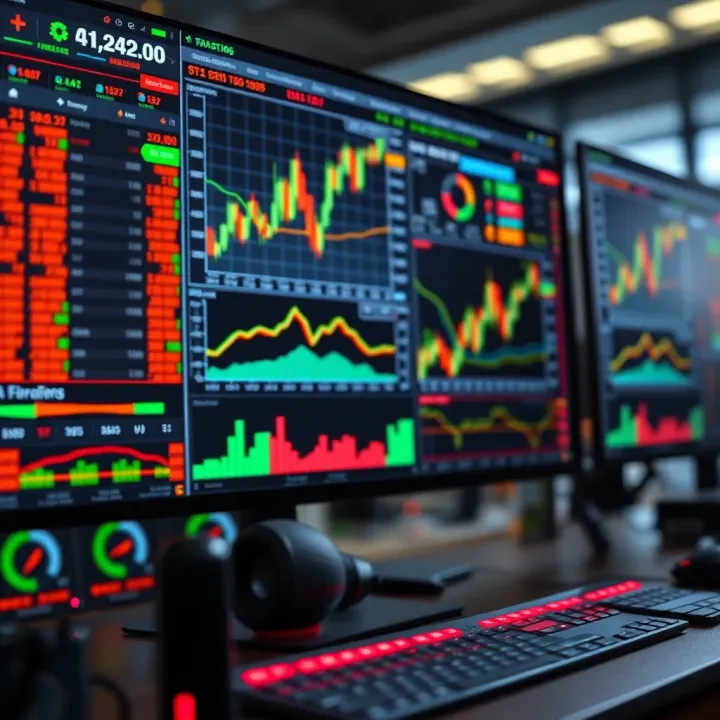
Guía completa de plataformas de trading online
🔍 Descubre cómo funcionan las plataformas de trading online, conoce sus herramientas, tipos, riesgos y consejos para operar de forma segura y eficaz.
Editado por
Valentina Cruz
Mobile trading apps have reshaped how investors and traders interact with financial markets. Instead of relying solely on desktop platforms or brokers, you can now monitor stocks, ETFs, options, and cryptocurrencies from your smartphone anytime, anywhere.
These apps offer access to real-time market data, charting tools, and order execution — features that empower you to make decisions on the fly. For example, think about a trader who spots a sudden price drop in a tech stock using notifications from apps like Thinkorswim or Robinhood. That quick insight lets them act before others catch on.
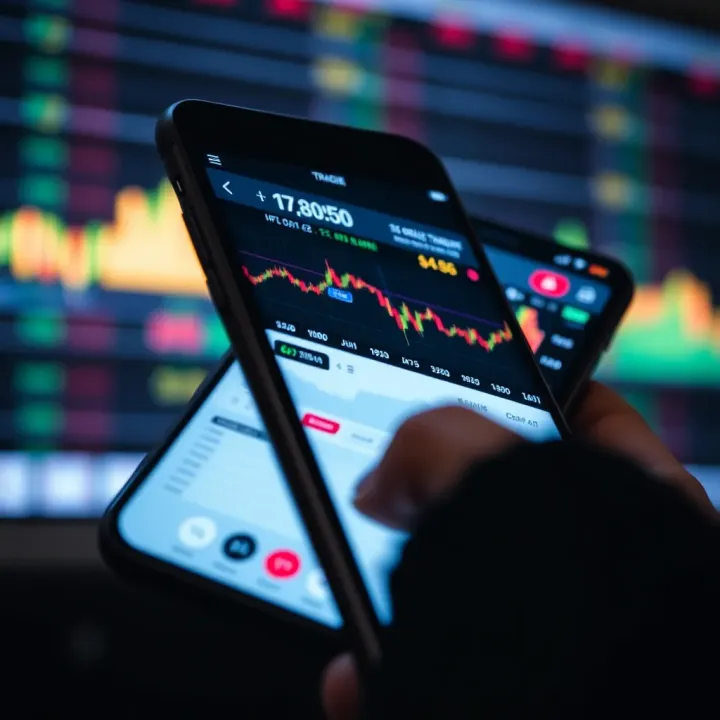
Quick access matters. Mobile trading means your portfolio isn’t locked behind a desk.
User-friendly interfaces that fit small screens without sacrificing depth. Apps like E*TRADE and Fidelity balance simplicity and advanced features.
Custom alerts and news feeds help you stay ahead. Personalized notifications can warn you about price changes or unusual volume.
Secure authentication measures protect your account—think fingerprint or facial recognition alongside strong encryption.
Order types including market, limit, stop, and trailing stops, letting you tailor trades according to your risk tolerance.
The biggest benefit is convenience. You're not tied to a laptop or office. Whether you're riding the subway or having coffee, trading apps keep the market within reach.
Beyond convenience, many platforms offer commission-free trades or low fees, making trading more affordable. Plus, the apps often integrate educational content and tools so you can sharpen your skills as you go.
At the same time, mobile trading involves risks. Price movements can be quick, and distractions around you might cause misclicks, leading to unintended trades. Plus, relying on public Wi-Fi can expose you to security threats unless you take precautions.
Bottom line: Mobile trading apps give you power and flexibility, but you need to be savvy about the platform’s tools and your environment.
Understanding these basics sets the stage for choosing the right app and using it effectively. Next, we’ll break down what to look for when picking a mobile trading platform that fits your investment style.
Mobile trading apps have reshaped how investors engage with markets, making real-time data and trading opportunities accessible without being tied to a desktop. Understanding what these apps offer helps traders use their features effectively and avoid common pitfalls.
Most mobile trading apps deliver instant price updates, streaming market quotes, and live charts. This kind of data access prevents traders from making decisions based on outdated information. For example, a day trader can react to a sudden dip in tech stocks quickly enough to place a profitable order before prices rebound.
These apps enable users to place different types of orders—market, limit, stop-loss—with a tap. The speed of execution can be crucial, especially during volatile market hours. A user trading on Robinhood or E*TRADE can buy or sell stocks almost instantly, which helps protect against slippage and missed opportunities.
Monitoring investments is simplified through portfolio dashboards that show real-time gains, losses, and asset allocation. Apps from Fidelity and Charles Schwab, for instance, provide clear views of diversified holdings so investors can spot trends or rebalance portfolios with ease.
Access to relevant news and analysis directly through the app means investors can stay informed of market-moving events. Some apps integrate third-party sources like Bloomberg or Reuters, allowing users to react quickly to breaking news without switching platforms.
Unlike desktop platforms limited to fixed locations, mobile apps keep investors connected wherever they have cell or Wi-Fi access. This flexibility is a game-changer for those who want to manage trades during commutes or travel without missing market shifts.
Mobile apps simplify complex trading functions with streamlined menus and touch-friendly controls. They prioritize essential features while hiding advanced tools behind intuitive navigation, unlike desktop platforms packed with detailed charts and multiple windows.
Handheld devices offer quicker access and faster responses through push notifications and instant trade confirmations. For example, Schwab’s mobile app alerts a user immediately when a stock hits a targeted price, letting them act right away rather than checking emails or desktop alerts.
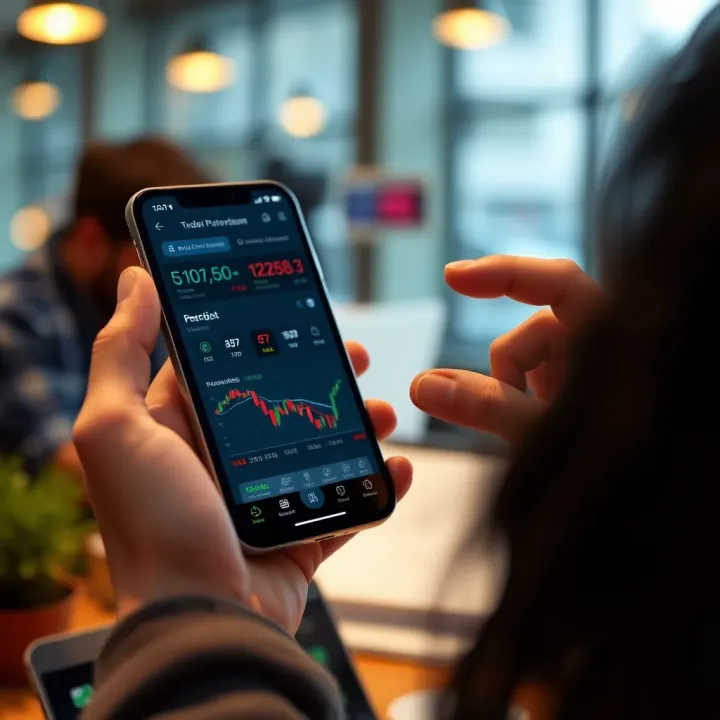
While convenient, mobile platforms sometimes lack the depth of research tools, advanced charting, and customizable layouts available on desktops. Heavy technical analysis or multi-asset trading might feel constrained on a phone. For serious investors conducting complex strategies, mobile apps are often a complement, not a replacement.
Mobile trading apps bring markets to your fingertips, but knowing their capabilities and limits ensures you trade smarter, not just faster.
Choosing the right trading app boils down to identifying which features align with your investing style and security preferences. A good app doesn't just let you trade; it keeps your data safe, provides the tools you need to analyze markets, and offers an easy-to-navigate interface backed by solid support. Let’s break down the key aspects you’ll want to check off.
Two-factor authentication (2FA) adds an extra layer of security beyond the usual password. It typically requires a second confirmation, like a text code or authenticator app, before you log in. This makes it much harder for someone to breach your account, even if your password gets exposed. For example, apps like E*TRADE and Fidelity offer 2FA to protect user accounts against unauthorized access.
Encryption standards protect the sensitive data exchanged between your phone and trading servers. Look for apps that use end-to-end encryption with protocols like TLS (Transport Layer Security). This means your financial info, login credentials, and trades remain scrambled to any third party trying to snoop. Schwab and TD Ameritrade, for instance, use industry-leading encryption to keep data safe, preventing hackers from intercepting your details.
Regulatory compliance and licensing ensure the app and its broker meet government standards. Trading platforms registered with the SEC (Securities and Exchange Commission) or FINRA (Financial Industry Regulatory Authority) have to follow rules that protect investors, like safeguarding your funds and preventing fraud. Always check if the app mentions compliance — it shows they’re playing by the book and gives you legal recourse if something goes wrong.
Charting and technical indicators help you track price trends and make smarter trades. Features like moving averages, RSI (Relative Strength Index), and candlestick charts are essential for analyzing stock or crypto movements. Apps like Robinhood and Webull give access to these tools on your phone, so you can spot entry and exit points without a desktop setup.
Alerts and notifications keep you in the loop. Whether it’s price swings, news about your holdings, or executed trades, timely notifications mean you can react faster. For example, think about getting a push alert when Tesla stock hits your target price — you can jump on the opportunity or cut losses without constantly checking the app.
Order types and customization provide flexibility in how you buy and sell. Basic apps might only handle market orders, but advanced ones let you set limit orders, stop-loss orders, or trailing stops. This means you can automate parts of your strategy, like selling shares if the price drops below a certain point, minimizing risk even when you’re offline.
Intuitive navigation makes trading less intimidating. You want an app where finding your portfolio, placing orders, or checking market news is straightforward and not buried under layers of menus. Apps such as Fidelity’s mobile platform are praised for their clean, user-friendly design that lets both newbies and pros move smoothly.
Educational resources are a plus, especially if you’re new to investing. Features like tutorials, articles, or videos inside the app can help you learn while you trade. Charles Schwab’s app, for example, offers robust education tools alongside its trading functions.
Availability of customer service rounds out the picture. When things go sideways—like a failed trade, login issues, or suspicious account activity—you want quick access to reliable help. Look for apps offering multiple support channels: phone, chat, or email. Having support reps who respond quickly and know their stuff can save you headaches and potential losses.
Bottom line: The best mobile trading app isn’t just about flashy features. It balances solid security, powerful tools, and smooth usability with dependable support so you can trade confidently and efficiently from your phone.
Mobile trading apps have reshaped how investors interact with the markets, blending convenience with new challenges. Understanding the benefits and risks is essential to using these tools wisely and avoiding common pitfalls.
Flexibility to trade anytime and anywhere offers a big plus for investors on the move. Instead of being tied to a desktop, you can place trades during a lunch break or while waiting in line. For example, if a favorable earnings report drops after work hours, having a mobile app lets you react immediately, rather than waiting till you’re home.
This flexibility also means you can monitor your investments nonstop. Whether you're traveling or just running errands, mobile apps make sure you don't miss market changes that could impact your portfolio.
Faster reaction to market moves can be a game changer, especially for active traders. The speed of execution on a mobile app lets you jump on sudden price movements. Think of a tech stock suddenly plummeting following a product recall; a mobile app allows instant order placement to limit losses or seize buying opportunities.
In volatile markets, even a minute's delay can mean the difference between profit and loss. Mobile trading apps cut down lag since you have direct access to market data and can act without switching devices.
Consolidated portfolio management through mobile apps helps you keep all your assets in view, no matter where they're held. Apps like Fidelity or E*TRADE provide dashboards that show stocks, ETFs, bonds, and even cryptocurrency simply and clearly.
This consolidation saves time and reduces errors from juggling multiple accounts or platforms. You get a snapshot of your holdings, performance, and asset allocation all in one place, making it easier to adjust based on real-time information.
Risk of impulsive decisions rises with mobile trading’s ease. The taps and notifications tempt some users to make snap trades without thorough analysis. For instance, seeing a sudden price jump might lead to buying out of fear of missing out (FOMO), rather than solid research.
This impulsiveness can erode gains over time and increase stress. Discipline and clear trading plans become even more vital when you can trade anytime, anywhere.
Connectivity and technical issues pose real threats to effective trading. Poor Wi-Fi or cell signal, app crashes, or delayed order executions can cause missed opportunities or unexpected losses.
Imagine trying to sell shares during a market dip only to have your app freeze due to a bad connection. This technical vulnerability means investors should always have backup plans, like alternative devices or offline alerts.
Security concerns on mobile devices are an ongoing worry. Mobile devices can be lost, stolen, or hacked more easily than desktops. Unsecured public Wi-Fi networks can expose sensitive information, risking unauthorized access to your trading accounts.
To mitigate this, use strong passwords, enable two-factor authentication, and avoid trading over open networks. Regular updates and security apps help protect your data too.
The bottom line is mobile trading apps offer clear benefits but require caution and good habits to avoid costly mistakes.
Balancing these pros and cons helps investors get the most from mobile trading without falling into common traps. The right approach means staying vigilant, disciplined, and prepared for technical hiccups.
Choosing the right mobile trading app is more than just picking the prettiest interface or the one with the flashiest ads. It’s about finding a platform that matches your personal trading style, fits your needs, and feels reliable—and this can save you headaches and money down the line.
Casual investor versus active trader: Your trading style largely determines what app features’ll suit you best. If you’re a casual investor, you likely prefer a straightforward app that focuses on long-term investments with easy portfolio tracking. For instance, apps like Acorns or Stash emphasize simplicity and automated investing. On the flip side, active traders demand robust tools that support quick, frequent trades, detailed charting, and real-time alerts, like those offered by Webull or TD Ameritrade Mobile.
Asset classes offered: Not all apps cover every corner of the market. Some specialize in stocks and ETFs, while others provide access to options, cryptocurrencies, or forex. Imagine you want to trade both stocks and cryptocurrencies; you’ll want an app like Robinhood that offers both, rather than one focused just on equities. Knowing what asset classes you intend to trade helps narrow the choices to those that satisfy your portfolio needs.
Budget and fee structures: Trading costs can add up, especially for frequent users. Some apps charge commissions per trade, others have monthly fees, and some might tack on hidden costs like inactivity fees. For example, Merrill Edge doesn’t charge commissions on online U.S. stock trades, which benefits casual investors, while more advanced platforms might have fees but offer a wider array of services. Understanding these fees means you won’t be caught off guard by unexpected charges.
User ratings and feedback: User reviews offer a practical glimpse into an app’s performance and reliability. Look beyond the star ratings; skim through comments to spot common praises or complaints, such as glitches or poor customer support. An app like E*TRADE typically scores well for customer satisfaction, which provides reassurance.
History of app updates and bug fixes: Frequent updates show developers are actively improving the app and fixing known bugs. A stale app could mean security risks or outdated features. Check app update logs on the Apple App Store or Google Play to see how often updates roll out—less than once a year may hint at neglect.
Transparency in fees and policies: Trustworthy apps clearly outline their fee structures and policies upfront. Hidden fees or complicated terms can cost you money or cause confusion. Before committing, make sure fee details, terms of service, and privacy policies are easy to find and understand.
Using demo accounts: Many trading apps offer practice or demo accounts where you can trade with fake money. This lets you get familiar without risking cash—particularly useful if you’re testing features or the app’s ease of navigation. For example, thinkorswim (by TD Ameritrade) has a solid paper trading option.
Checking compatibility with your device: Your smartphone or tablet’s operating system and hardware capability impact app performance. An app might demand iOS 14 or Android 11 at minimum; older devices may struggle, slowing down trades or freezing. Always verify system requirements before downloading.
Assessing ease of use: A complicated app can slow you down or make you miss critical moves. Look for apps with an intuitive layout, straightforward menus, and helpful tutorials or support. The last thing you want is fumbling through settings during a volatile market swing.
Bottom line: Choosing a mobile trading app that fits your style, offers reliable support, and suits your device helps you trade smarter, safer, and with less hassle. Take your time, test options, and don’t be shy about switching if your first pick doesn’t click.
Getting the most out of your mobile trading app can make a significant difference in how you manage your investments. A mobile trading app isn't just about buying or selling stocks on the go; it's about creating a reliable and efficient trading routine that fits into your daily life. This means setting clear goals, managing emotions, and using the features your app offers smartly.
Setting realistic goals is the first step to trading success. It's easy to get caught up in dreams of overnight gains when trading stocks from your phone. But setting achievable targets based on your risk tolerance and market knowledge keeps you grounded. For example, aiming for a steady 5% return over six months is a more practical goal than trying to double your portfolio in a week. Clear goals like this guide your trading decisions and prevent reckless moves.
Keeping emotions in check is crucial, especially when market swings hit right on your screen. Mobile trading brings instant access, but it also tempts impulsive decisions. It's normal to feel anxious when prices drop or excited when stocks jump. To keep emotions from taking over, it helps to use your app's tools like alerts and set trade rules in advance. For example, deciding to sell when a stock falls 10% below your buy price removes guesswork and emotional panic.
Utilizing alerts and limit orders can turn your app into a proactive assistant. Alerts notify you of market price changes or news that matter to your portfolio, preventing you from constantly checking your phone. Limit orders let you set specific buy or sell prices, so your trade executes only when conditions match your plan. Say you want to buy a stock that's currently $50 but only if it drops to $45; a limit order locks in that price without you staring at the screen all day.
Regular app and device updates protect your trading activity from vulnerabilities. Developers release updates that patch bugs and enhance security features. Skipping these updates on your phone or app can leave your account exposed to hackers. Make a habit of enabling automatic updates or checking your app store regularly.
Choosing secure Wi-Fi networks is another simple but vital step. Public Wi-Fi, like at coffee shops or airports, often lacks strong encryption, making it easy for bad actors to intercept your data. Whenever possible, use trusted home networks or a mobile data connection when trading. If public Wi-Fi is your only option, consider a Virtual Private Network (VPN) to add a layer of security.
Monitoring account activity regularly helps spot suspicious actions early. Most trading apps send alerts for logins or trades, but it's smart to periodically review your transaction history yourself. If you notice trades you didn’t make or strange login locations, contact your broker immediately. Think of it as checking your bank statement for unrecognized charges.
The bottom line is, success with mobile trading comes not just from the tools, but from how you manage your habits and security. Use your app's features wisely, guard your data, and stay disciplined for a smoother trading experience.
🔍 Descubre cómo funcionan las plataformas de trading online, conoce sus herramientas, tipos, riesgos y consejos para operar de forma segura y eficaz.
📈 Descubre las mejores plataformas de trading gratis, sus herramientas, seguridad y consejos clave para elegir según tu nivel y evitar riesgos comunes.
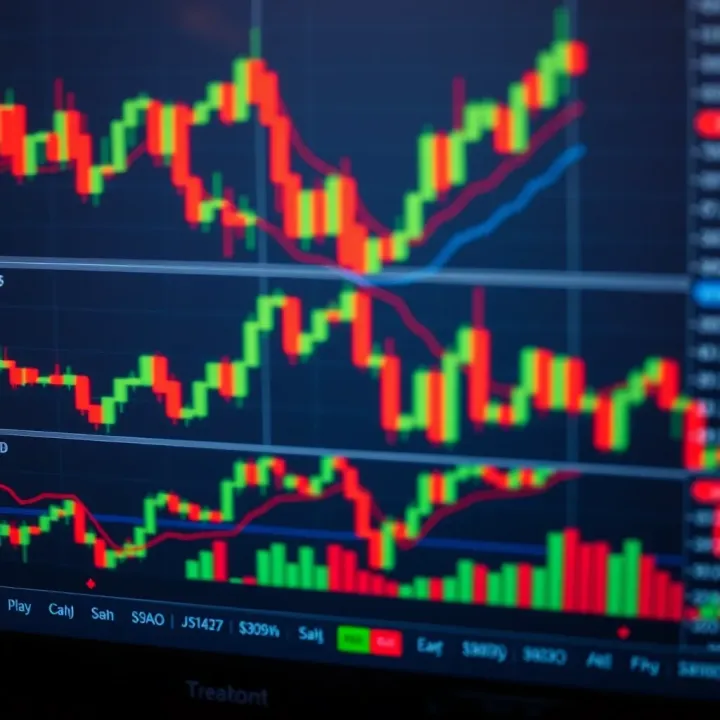
📊 Aprende a identificar y usar patrones de velas en trading para anticipar movimientos del mercado y mejorar tus estrategias de inversión diarias.
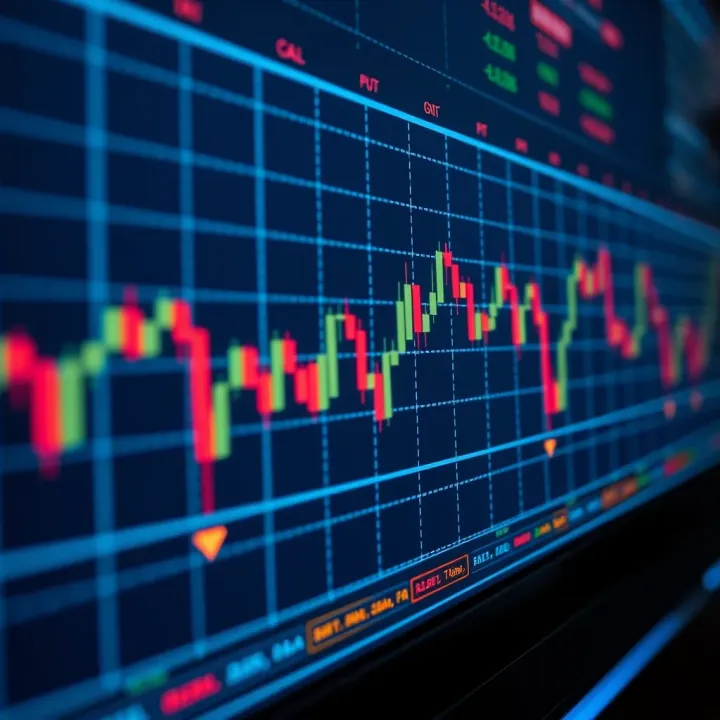
📈 Descubre todo sobre opciones binarias: funcionamiento, riesgos y beneficios para elegir bien en tus inversiones de corto plazo con nuestra guía completa.
Basado en 13 reseñas