
Guía completa de plataformas de trading online
🔍 Descubre cómo funcionan las plataformas de trading online, conoce sus herramientas, tipos, riesgos y consejos para operar de forma segura y eficaz.
Editado por
Sofía Martínez
Trading isn’t just about buying low and selling high. To get started, you need to understand the markets, terminology, and strategies well enough to make informed decisions. Let’s break down some basics that every trader or investor should have on their radar.
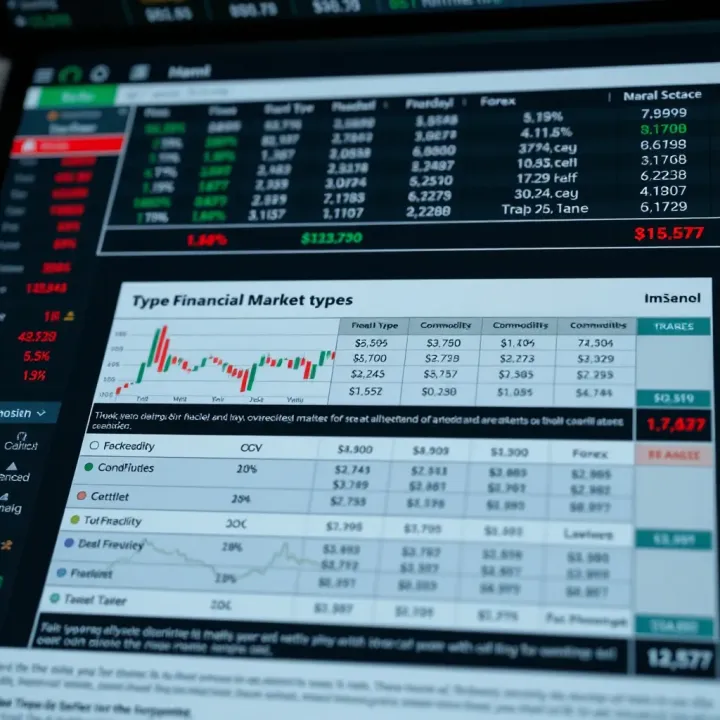
Markets vary widely. Stocks, bonds, commodities (like oil or gold), and currencies all move differently based on supply, demand, and outside events. For example, stock markets like the NYSE or NASDAQ are mostly about companies’ performance and broader economic signals. Forex markets, on the other hand, react heavily to geopolitical tensions and interest rate changes.
Knowing which market fits your risk profile and goals is key. If you’re after fast action, forex or cryptocurrencies trade 24/7 but come with high volatility. If you prefer steady long-term growth, stocks or bonds are typically safer bets.
Here are a few terms to keep close as you learn:
Bid and Ask: The highest price buyers are willing to pay vs. the lowest sellers accept.
Spread: The difference between bid and ask prices, signaling transaction cost.
Volume: Number of trades or contracts—higher volume often means more liquidity.
Stop Loss: An order to automatically sell a security to limit losses.
Traders often use strategies like day trading, swing trading, or position trading:
Day Trading: Buying and selling within the same day to profit from small price moves.
Swing Trading: Holding positions for days or weeks to capitalize on expected market swings.
Position Trading: Long-term holds based on fundamental analysis.
Each strategy demands different levels of time and attention, as well as risk tolerance.
Understanding the tools and vocabulary of trading is your first step toward managing risk and spotting opportunities.
Successful trading isn’t about winning every trade; it’s about managing losses so they don’t wipe you out. Using stop-loss orders, diversifying assets, and never risking more than a small percentage of your capital per trade can protect your portfolio.
Whether you’re just starting or brushing up, these fundamentals help you build a solid trading foundation.
Stay tuned for sections that guide you through accessing reliable PDF resources, step-by-step trading plans, and deeper market insights.
Understanding the different types of trading markets is essential for anyone stepping into the investment arena. Each market operates with its own rules, risk levels, and opportunities, which affect how you trade and manage assets. For example, the stock market is vastly different from forex or commodities markets in terms of volatility, liquidity, and trading hours.
A solid grasp of these market types helps you decide where to focus your efforts, whether you're after long-term growth or short-term gains. It also sharpens risk management, enabling you to tailor your strategies to each market's unique behavior.
Stock exchanges like the New York Stock Exchange (NYSE) and NASDAQ act as centralized hubs where buyers and sellers meet to trade shares. Think of them as bustling marketplaces where companies list their stocks for public purchase. These exchanges ensure orderly trading, price transparency, and the enforcement of regulations.
For traders and investors, knowing which exchange a stock trades on can influence decisions based on liquidity and the types of companies listed. NYSE tends to list more established firms, while NASDAQ features a higher concentration of tech companies.
Buying and selling stocks involves placing orders through brokers, who then route these orders to the exchanges. Typically, you can use market orders to buy or sell immediately at the current price, or limit orders to specify the price at which you want to trade.
The availability and speed of executing these orders directly impact your trading success. For instance, in fast-moving markets, a limit order may not fill if the price moves away, while a market order guarantees execution but not the price.
Stock markets usually operate during fixed hours, such as 9:30 AM to 4:00 PM ET for the NYSE and NASDAQ. These hours influence liquidity and volatility — trading outside regular hours often means lower volume and wider spreads.
Traders need to be aware of market hours to avoid unfavorable trade executions and to plan their strategies around the most active periods when price movements are clearer and trades easier to enter or exit.
Currencies are influenced by numerous factors like interest rates, economic data, geopolitical events, and central bank policies. For example, if the Federal Reserve raises interest rates, the U.S. dollar usually strengthens as investors seek higher returns.
Understanding these drivers helps forex traders anticipate movements in currency pairs and manage their exposure effectively.
Major pairs like EUR/USD, USD/JPY, and GBP/USD dominate forex trading due to their high liquidity and tighter spreads. These pairs reflect strong economic relationships, making them suitable for both beginners and seasoned traders.
Focusing on these well-traded pairs can improve execution quality and reduce transaction costs.
The forex market is decentralized and operates 24 hours a day from Sunday evening to Friday evening ET, divided into sessions: Asia, Europe, and North America. Each session brings its own volatility and key market movers.
Traders often shift focus according to these sessions. For instance, the overlap of European and North American sessions tends to see the highest liquidity and price movements.
Commodity trading involves raw materials like gold, oil, and agricultural products. Prices here are influenced by supply-demand dynamics, weather events, and geopolitical tensions. For example, a hurricane in the Gulf of Mexico can disrupt oil supplies and spike prices.
Commodities offer portfolio diversification and a hedge against inflation, but they can be volatile and demand a solid understanding of external factors.
Cryptocurrencies like Bitcoin and Ethereum operate on blockchain technology and are traded on specialized exchanges such as Coinbase and Binance. These digital assets are highly volatile and often react to regulatory news, technology upgrades, and market sentiment.
For traders, crypto markets run 24/7, providing unique opportunities but also demanding constant attention.
While stocks and commodities trade on centralized exchanges with regulated hours, cryptocurrencies are decentralized and always open, creating distinct liquidity patterns. However, all markets share common elements like order types, margin trading, and technical analysis tools.
Recognizing these similarities and differences allows traders to adapt their strategies suitably across market types.
Whether you're trading stocks, currencies, commodities, or crypto, knowing what moves each market and how it's structured gives you a clearer path to making informed decisions and managing risk.
Getting a handle on key trading terms is like learning the ABCs before writing a story. These terms help you decode market moves and execute trades with confidence. Whether you're eyeing stocks, forex, or commodities, knowing common phrases like bid, ask, and spread saves you from costly mistakes.
The bid is the highest price a buyer is willing to pay for a security, while the ask is the lowest price a seller will accept. The difference between them is called the spread. For example, if a stock’s bid is $50 and ask is $50.05, the spread is $0.05. This spread represents the transaction cost and liquidity indicator. A tighter spread generally means the market for that asset is more active and cheaper to trade.
Leverage lets you control a larger position with a smaller amount of cash, using borrowed funds. For instance, with 10:1 leverage, you can trade $10,000 of stock with only $1,000 of your own money. However, this magnifies both gains and losses, so proper margin management is vital. Margin is the actual amount you need to open or maintain a leveraged position, acting as a safety buffer for your broker.
Stop loss and take profit orders protect your trades. A stop loss cuts losses by automatically selling when prices fall to a certain level, while a take profit locks in gains once the price hits your target. Say you buy a stock at $100, set a stop loss at $95 to limit losses, and a take profit at $110 to secure profits without constant monitoring.
A market order executes immediately at the current best available price. It’s useful if speed matters more than price precision, like when chasing a breakout. In contrast, a limit order sets a specific price at which you want to buy or sell. If you want to buy a stock only if it drops to $49.50, you’d place a limit order at that price. It may or may not fill, depending on market moves.
Stop orders activate once a certain price threshold is crossed. A stop loss order turns into a market order after triggering, which could lead to slippage in fast markets. There's also a stop-limit order, which triggers a limit order instead, offering control over the fill price but no guarantee it'll execute.
Knowing when to use each order type depends on your strategy and market conditions. Use market orders for rapid entry or exit, limit orders for price control, and stop orders for risk management. For example:
Enter a trending trade quickly with a market order.
Buy a dip with a limit order.
Protect gains or cut losses with stop loss orders.
Understanding these terms isn’t just about sounding savvy; it’s about shaping your trading decisions so you don’t leave profit or protection on the table.
Understanding popular trading strategies helps you select the right approach based on your goals, time commitment, and risk tolerance. Each strategy offers different advantages and challenges, so knowing them inside out improves your chances of success.
Day trading and scalping focus on quick, short-term trades. Day traders open and close positions within the same trading day, looking to profit from small price moves. Scalpers are even faster, executing multiple trades within minutes to grab tiny gains repeatedly throughout the session. These methods suit traders who can make fast decisions and monitor the market constantly.
Tools like real-time charts, volume indicators, and moving averages are essential here. For example, a scalper might rely on the 1-minute chart combined with the Relative Strength Index (RSI) to spot momentary oversold or overbought conditions. Such indicators help to identify entry and exit points amid rapid price changes.
Managing these fast-paced trades demands discipline and quick reflexes. Traders often use stop-loss orders tightly set to minimize losses from sudden swings. Staying glued to the screen and using hotkeys for order execution keeps overhead minimal. But this high-speed approach requires mental stamina and a well-practiced plan.
Swing trading targets medium-term price movements, usually lasting days or weeks. Instead of chasing every tick, swing traders ride more significant trends. The goal is to enter a trend after confirmation and exit before major reversals.
Combining technical analysis like chart patterns and moving averages with fundamental analysis, such as earnings reports or industry news, sharpens decision-making. For instance, a trader noticing strong quarterly results might use technical signals to time an entry in a stock gaining momentum.
Risk and reward need serious attention here. Swing traders often set stop-loss orders at support levels and aim for profit targets at logical resistance points. Balancing risk by sizing positions appropriately ensures any single trade won't severely impact the overall portfolio.
Long-term investing means holding assets for months to years, focusing on growth and income rather than short-term price fluctuations. This strategy suits those who prefer a hands-off approach and accept market ups and downs as part of the process.
Success here depends heavily on analyzing company fundamentals: revenue, profit margins, competitive advantages, and management quality. For example, investing in a blue-chip company with consistent dividends and strong fundamentals provides steady returns over time.
The key benefit is the power of compounding and reduced trading costs. Being patient allows investors to ride out volatility and benefit from long-term economic growth or sector expansion without the stress of daily price swings.
Popular trading strategies differ widely in terms of timeframes and risks. Choosing the one that fits your personality and objectives is a smart first step before putting money on the line.
Managing risks is a fundamental part of trading to protect your capital and improve chances of success. It’s not just about avoiding losses but also ensuring that one bad trade doesn’t completely derail your portfolio. Smart risk management helps you stay in the game longer and adapt to market ups and downs.
Limiting losses with stop orders is one of the simplest yet most effective risk-control tools. A stop loss is an order you place to automatically sell an asset when it hits a certain price, limiting how much you lose on a trade. For example, if you buy a stock at $50, setting a stop loss at $45 means you won’t lose more than $5 per share, even if the price drops sharply. Using stop losses prevents emotional decision-making and helps lock in risk thresholds before you place the trade.
Calculating proper trade size goes hand in hand with using stop losses. Even a well-placed stop won’t protect your account if you risk too much on a single trade. Many traders use rules like risking no more than 1-2% of their total capital on any trade. For instance, with a $10,000 account, your risk per trade might be $100-$200. If your stop loss is $5 away from entry, you’d buy 20 to 40 shares to keep your risk in check. Position sizing ensures no single trade has an outsized effect on your overall portfolio.
Balancing risk and capital preservation means continually adjusting your exposure so you can survive losing streaks and still stay ready for opportunities. This balance requires discipline to avoid chasing quick profits with reckless bets. By protecting your capital and setting realistic risk levels, you create a foundation for steady growth. Remember, preserving capital is often more important than scoring a big win — without money to trade, you’re out of the game.
Spreading risk across assets reduces the chances of losing heavily due to one investment or market moving against you. Holding a mix of stocks, bonds, commodities, or currencies can smooth out returns. For example, if tech stocks dip but energy commodities rise, your losses in one area might be offset by gains in another. Diversification helps you avoid putting all your eggs in one basket.
Avoiding overexposure to one market means not letting any single sector or asset dominate your portfolio. Even if you feel confident about a particular market, sudden shifts can cause severe losses. For example, traders during the 2020 oil crash who held too much energy exposure saw sharp portfolio drops. Keeping varied exposures and capping individual asset weights helps limit this risk.
Periodic portfolio review is about regularly checking and adjusting your holdings to align with your risk tolerance and goals. Markets change, and what made sense six months ago might not now. Reviewing your portfolio helps you rebalance and avoid unintended risks, like certain assets growing to take up more space than intended. Regular reviews ensure your trading strategy stays consistent and relevant.
Bottom line: Managing risk through stop losses, proper position sizes, diversification, and ongoing portfolio reviews sets a solid defense for your trading. It doesn't guarantee profits but helps you handle losses and protect your capital so you can trade smarter over time.
Trading PDFs offer a solid starting point for investors, traders, analysts, and educators aiming to master the fundamentals or refresh their knowledge. These resources distill complex concepts into digestible formats that you can study at your own pace. But simply downloading PDFs isn’t enough; knowing where to find trustworthy content and how to apply the material makes all the difference.
Start with well-known financial education platforms, brokerage firms, or regulatory agencies. For example, firms like Charles Schwab, Fidelity, or educational hubs such as Investopedia regularly publish updated, quality PDFs. Since these organizations have skin in the game, their resources are more reliable than random PDFs floating around the internet. It's smart to check the document's publication date and author credentials before diving in.
Financial markets evolve quickly. A PDF from five years ago might cover foundational topics but could miss current regulatory changes or innovative trading tools. Confirm if the resource is the latest edition and cross-check key points with current market data or trusted news outlets. Some platforms add revision dates or update logs, which is a clear sign of commitment to accuracy.
Free PDFs can be a goldmine for beginners exploring trading concepts without financial commitment. However, paid materials often offer deeper insights, case studies, and personalized advice worth the cost if you're serious about trading. For instance, educational subscriptions often include access to trading simulators or Q&A sessions that free resources usually lack. Balance your budget against the depth of knowledge needed.
Active learning beats passive reading. Highlight key terms, jot down questions, and apply the concepts using demo trading accounts or note real-world examples like looking at recent stock charts or currency price movements. For educators, turn PDFs into lesson plans or discussion points rather than just sharing raw files.
Combine your reading with trading platforms such as Thinkorswim or TradingView. For example, while studying technical analysis PDFs, practice identifying patterns in real time. This hands-on approach cements knowledge better than reading alone and helps bridge the gap between theory and actual trades.
Markets don’t stand still, and neither should you. Use PDFs as a base, but subscribe to newsletters, join online trading forums, or attend webinars for the latest insights. Trading strategies effective a year ago may need tweaks today. Regularly refreshing your materials and combining PDFs with current market trends ensures your learning stays relevant.
The bottom line is to treat trading PDFs as a valuable tool, not the whole toolbox. Combine them with practical experience and ongoing education to become a confident trader or analyst.
🔍 Descubre cómo funcionan las plataformas de trading online, conoce sus herramientas, tipos, riesgos y consejos para operar de forma segura y eficaz.
📈 Descubre las mejores plataformas de trading gratis, sus herramientas, seguridad y consejos clave para elegir según tu nivel y evitar riesgos comunes.
📊 Aprende a identificar y usar patrones de velas en trading para anticipar movimientos del mercado y mejorar tus estrategias de inversión diarias.
📈 Descubre todo sobre opciones binarias: funcionamiento, riesgos y beneficios para elegir bien en tus inversiones de corto plazo con nuestra guía completa.
Basado en 10 reseñas